Get Full Government Meeting Transcripts, Videos, & Alerts Forever!
Get email alerts on the Code Lien Amnesty topic
No spam. Unsubscribe anytime.
City approves 100% lien‑amnesty program to clear long‑standing code liens; adds letter‑of‑compliance guarantee
Summary
The City Commission unanimously approved a citywide lien‑amnesty program on March 5 that forgives qualifying municipal code liens for owners who bring properties into compliance between March 5 and Dec. 31, 2025.
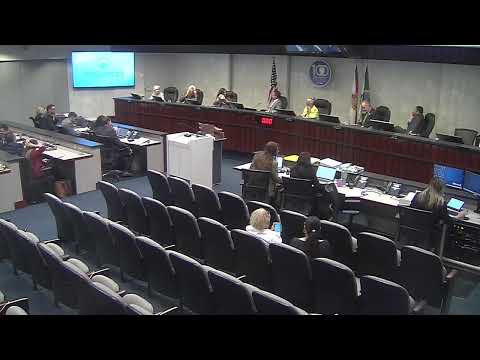
The Hollywood City Commission unanimously approved on March 5 a citywide lien amnesty program designed to encourage property owners to correct code violations and clear long‑standing municipal code liens.
Staff presented the program as a limited-time opportunity: property owners may apply between March 5, 2025, and Dec. 31, 2025, and the program offers forgiveness of qualifying municipal code lien principal amounts after code compliance is verified. Director Jovan Douglas, who presented the item, said the program is “designed to help resolve long‑standing liens while encouraging property owners to bring their properties into compliance.”
How the program works: Applications will be accepted online or in person once the owner demonstrates that the property is brought into compliance with the city code, the Florida Building Code and Florida Fire Code. A compliance inspection by a code compliance officer will confirm corrections. Approved applications are scheduled for a special magistrate hearing, after which liens eligible under the program are forwarded to Broward County for processing and release.
Eligibility and exclusions: Douglas explained several exclusions. Utility liens are not eligible “per state statute.” Liens tied to unsafe structures or building‑safety inspections will not qualify until all repairs or safety requirements are satisfied. Abatement or “hard” costs—such as lot mowing, debris removal, demolition and vessel removal—must be paid in full before an owner may participate. The program sets a minimum face value of $1,000 for eligible liens. Residential and commercial properties are eligible; all required permits must be submitted within the program period.
Scope and outreach: Staff said they identified 587 outstanding lien cases across the city that will receive direct mail outreach describing the program. Douglas supplied additional detail during Q&A: the average lien in the list runs about five years old and the average amount is around $50,000; of the identified cases roughly 92 are homesteaded properties and about 370 are not homesteaded.
Commission action and amendment: The commission voted to approve the program and its outreach plan. During the debate Commissioner Hernandez moved to amend the resolution to require that, when an owner has brought a property into compliance under the amnesty program, staff issue a formal letter of compliance documenting that status; the amendment was seconded and passed unanimously. The main motion (as amended) then passed without opposition.
Voices from the meeting: Residents and civic leaders who spoke at the public hearing welcomed the initiative as a “fresh start” for owners and a tool to reduce blight. Siobhan McLaughlin, who has advocated on code issues, told commissioners the amnesty is “a great first step” and thanked staff for the proposal. Rebuilding volunteers and contractors at the meeting emphasized that financial pressure—and the difficulty of getting contractors for low‑margin remediation work—were hurdles the program may help remove.
Implementation notes: After approval staff said they will launch a city web page and email help address, mail notices to the listed candidates, provide bilingual outreach materials (English and Spanish; commissioners also asked staff to add Creole), and schedule special magistrate hearings to process approvals. Broward County will handle lien release after the magistrate sign‑off. Staff made clear that unsafe‑structure citations and abatement costs remain payable outside the amnesty program and are not forgiven.
Ending: Commissioners framed the vote as a compliance tool that balances enforcement with relief for long‑standing cases; staff will track applications and report implementation results to the commission.