Get Full Government Meeting Transcripts, Videos, & Alerts Forever!
Get email alerts on the Historic Preservation topic
No spam. Unsubscribe anytime.
Athens council fails to adopt downtown historic overlay after divided public comments
Summary
The Athens City Council voted against adopting an H2 Historic Overlay District for downtown in a second reading after public testimony and a split council. Supporters said the overlay would protect local heritage; opponents said it would restrict property owners and slow development.
The Athens City Council on second reading failed to adopt Ordinance 1136, which would have established an H2 Historic Overlay District roughly bounded by College Street, Green Street, Park Street and Hill Street.
Supporters argued the overlay would protect downtown character and unlock grant opportunities; opponents said it would impose burdensome rules on property owners. Reverend Claire Brown, rector of Saint Paul’s Episcopal Church, told the council she found the proposal “really exciting” and praised the research and community conversations that led to the draft ordinance.
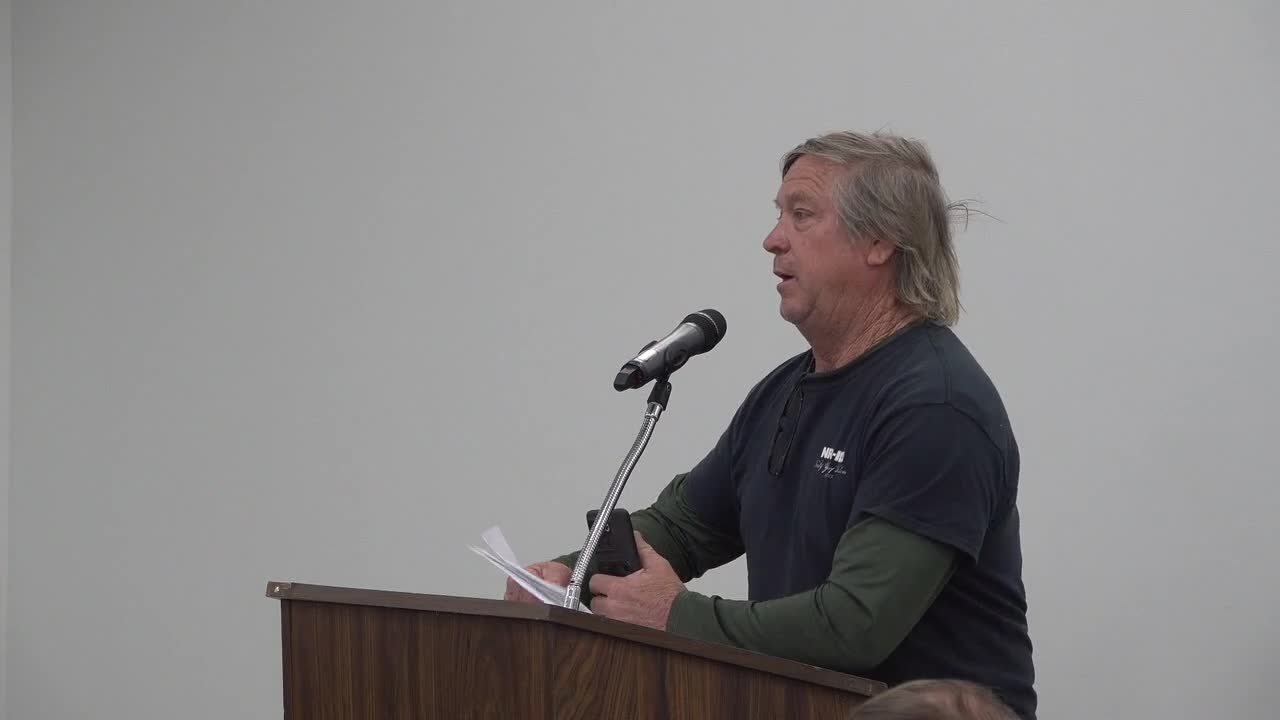
Opponents and several council members raised concerns about property rights, the overlay boundary and whether affected business and property owners had adequate notice. One resident warned murals and building renovations now under way could face new approvals under the overlay and said the rules would “slow down progress downtown.” Vice Mayor Curtis and other council members pressed for clearer outreach and for revising the map to exclude properties whose owners objected.
The council required a supermajority to adopt the overlay on second reading; the ordinance failed to reach that threshold. Council members recorded two votes in favor, two opposed and one abstention, so the measure did not carry.
Council members who opposed the ordinance said the Historic Preservation Commission and planning commission should revisit the proposal’s boundaries and conduct further outreach to affected business and property owners. Supporters said the panels had already held public meetings and that the overlay could bring historic-preservation grants and incremental downtown investment.
With the ordinance defeated on the second reading, the council did not change the zoning map. Council members and staff indicated the issue could return after additional review and amended boundary proposals.