Get Full Government Meeting Transcripts, Videos, & Alerts Forever!
Get email alerts on the Environmental Regulation Staffing topic
No spam. Unsubscribe anytime.
DEQ warns permit delays as turnover bites; requests targeted pay increases and funding transfers for cleanup and loans
Summary
The Idaho Department of Environmental Quality told the Joint Finance‑Appropriations Committee that persistent turnover and vacancies have lengthened permit processing times and that targeted pay increases — combined with a compensation equity change — are needed to retain technical staff and speed permitting.
The Idaho Department of Environmental Quality told the Joint Finance‑Appropriations Committee it is facing high turnover in technical permitting positions and proposed targeted pay increases to improve recruitment and retention.
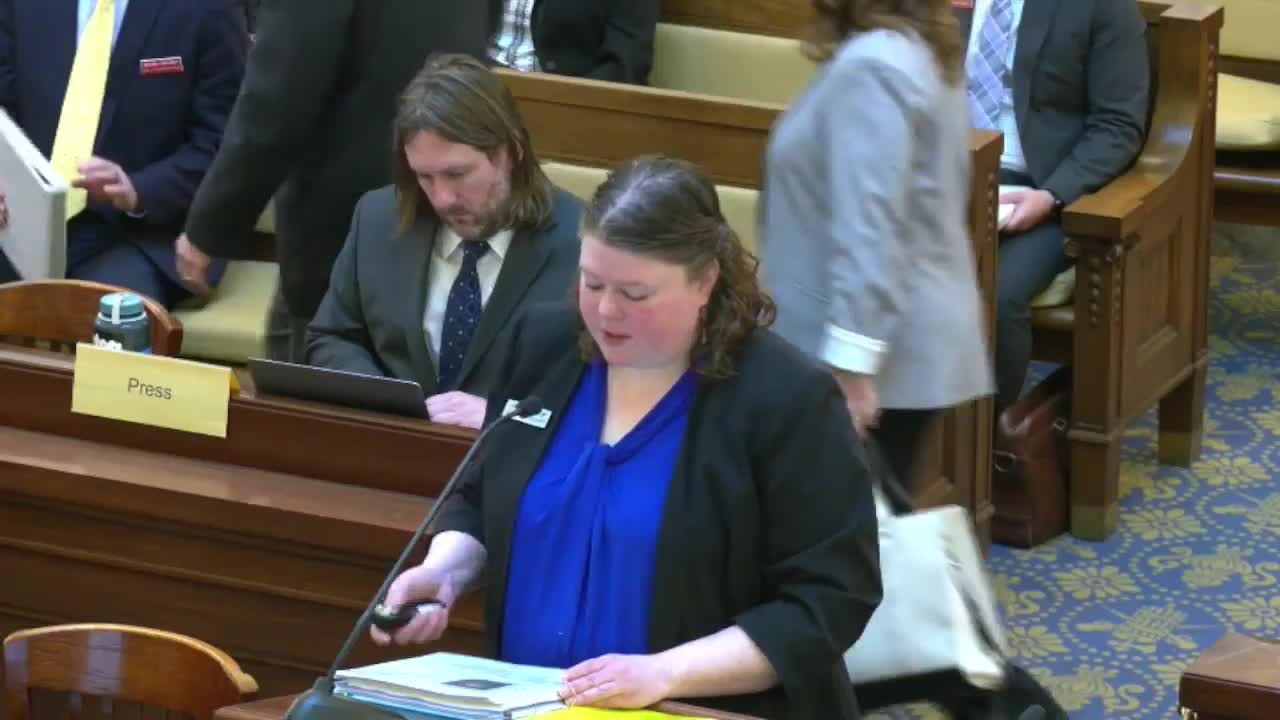
Director Jess Byrne told the committee that permit processing times and backlog have lengthened because of vacancies in technical programs and that many positions require lengthy training. "Right now...in February, it took us about 89.1 days on average to issue an air quality permit. We are now closer to a hundred and 60 days on average," Byrne said, adding that turnaround has meaningfully slowed in several permitting programs.
Why it matters: DEQ issues the air and wastewater permits that can control when businesses can construct facilities and discharge wastewater. Committee members pressed the director to explain how pay and staffing choices affect economic development and how DEQ is using dedicated funds for remediation and drinking‑water/wastewater loan programs.
Key details
- Staffing and pay request: Byrne described a targeted proposal that would raise entry hiring minimums to 83% comp ratio for new hires and up to 86% for positions that are hardest to fill. The agency also seeks pay increases for existing staff to address compression and retention. Byrne said average tenure for new hires has been about 2.8 years, and many technical positions experienced vacancy or turnover rates of 50–60% in the last year.
- Permitting impacts: Byrne said increased permit times have affected air and surface‑water programs and that DEQ prioritizes permits that would otherwise hold up economic activity. "Anytime that those processes are delayed, it's slowing down their opportunity to get moving," Byrne said.
- Federal and ARPA funds: Budget analyst Janet Jessup and Byrne outlined ARPA State Fiscal Recovery funds and other federal awards that increased DEQ's 2023–24 appropriations. ARPA monies were used for remediation and water projects; other federal sources include bipartisanship infrastructure law dollars for wastewater and INL oversight.
- Loan and grant accounts: Jessup described the drinking‑water loan funds and the wastewater loan program administered by DEQ. Byrne explained a long‑running practice: Idaho transfers an annual $4.8 million amount (statutory transfer referenced in tax code) into a water pollution control account to maintain match capacity for federal capitalization grants for loans. Byrne said those transferred balances had increased because the legislature previously provided supplemental funding for loan programs; awarded projects are now being funded and the account balance will decline as payments are made.
- Bunker Hill / basin remediation: Byrne said the agency aims for a $45 million target in the basin remediation (Bunker Hill) account to cover a 10% state match and O&M, and the agency has requested transfers over time to reach that balance.
- Waste tire fund and deficiency warrants: Jessup explained that deficiency funds can show negative balances when cleanup warrants are issued and that prior negative balances were subsequently repaid by the legislature.
What committee members asked
Lawmakers asked for more detail on which positions would receive targeted increases, how long increased pay would be required to change turnover trends, and how DEQ measures permitting performance. Senator Galloway requested follow‑up on why the percentage of permits issued before deadlines rose in the last reporting period and asked for detail on steps to maintain gains. Representative Annemarie asked Byrne to provide a detailed plan for the proposed pay changes.
Quotes
"When you combine the targeted increases that have been included in the governor's budget recommendation with a proposed CEC that this committee has already voted on, it will dramatically improve our competitiveness for the very specialized staff that make up our agency," Director Jess Byrne said.
"Anytime that those processes are delayed, it's slowing down their opportunity to get moving," Byrne said of permitting delays affecting businesses.
Committee process and next steps
Byrne and legislative staff agreed to provide additional documentation on the targeted pay plan and to follow up on performance metrics for permitting. No formal appropriation vote or final decision was recorded during the hearing.
Ending
DEQ officials urged the committee that a combination of targeted pay increases and compensation equity changes are necessary to stabilize staffing and preserve the state's primacy in permitting programs; lawmakers asked for more detail and program‑level justification before acting on requests.