Get Full Government Meeting Transcripts, Videos, & Alerts Forever!
Get email alerts on the Education topic
No spam. Unsubscribe anytime.
House adopts changes to seclusion rules in schools, adds penalties and data requirements
Summary
Third substitute Senate Bill 170 was adopted by the Utah House after sponsors and critics negotiated a substitute; the measure tightens limits on seclusion, adds time and reporting standards, and creates penalties for misuse.
The Utah House on March 4 adopted third substitute Senate Bill 170, legislation that revises school discipline rules related to student seclusion and isolation. The substitute passed the House with a recorded vote of 72 yes and 0 no.
House sponsors said the substitute clarifies age-appropriate boundaries, codifies time limits (including reference to a 15-minute board rule window), creates reporting and data-collection requirements, and adds criminal penalties for negligent or abusive uses of seclusion. Representative Candace Pucci, speaking to the substitute, said the bill was driven in part by a reported incident in which a child was left alone in a seclusion room for an extended period: “Child was left in 1 of these rooms for 5 hours,” Pucci said, describing the public concern that prompted statutory action.
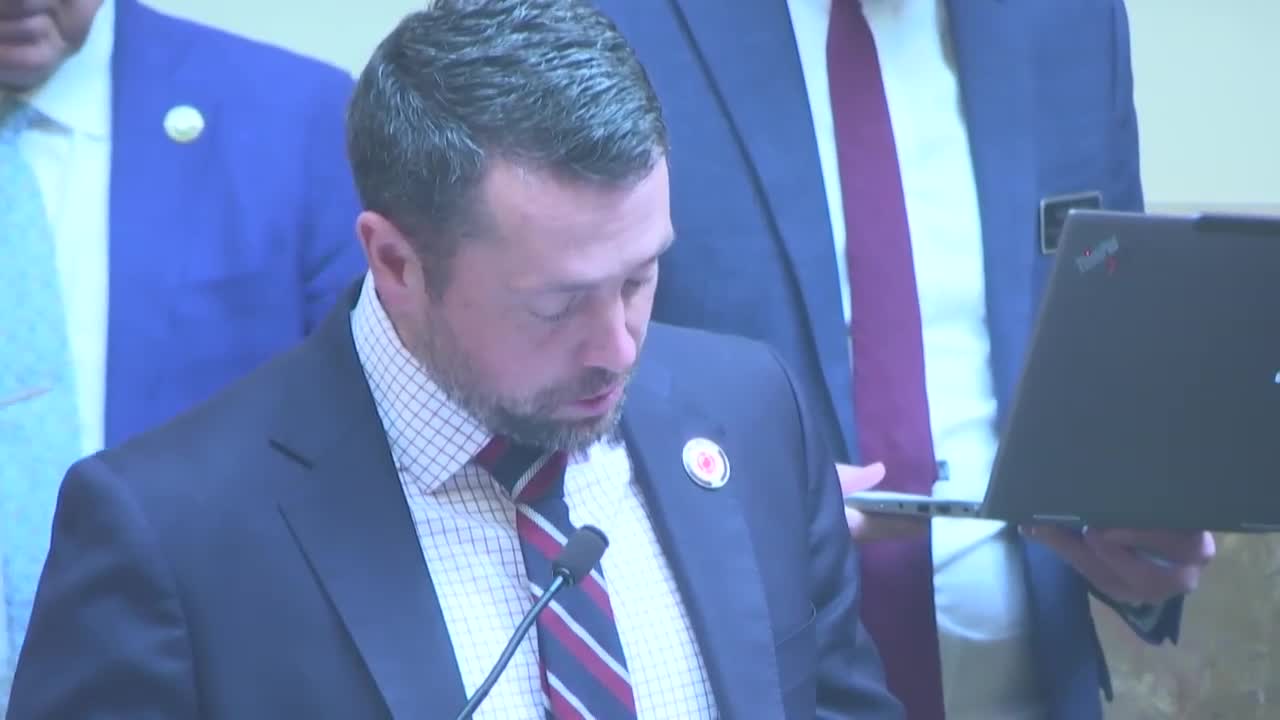
Representative Ryan Wilcox, the House sponsor for the bill on the floor, called the third substitute “a friendly substitute” that improves data collection and puts boundaries on seclusion so schools and parents can better assess use. The substitute also includes reporting elements so the frequency and circumstances of seclusion can be tracked statewide.
Floor leaders and the sponsor said the measure is intended to reduce inappropriate or excessive use of seclusion, paying particular attention to young students. The House adopted the third substitute and then voted for final passage; the clerk recorded the bill as passing 72-0 and the measure will be sent to the Senate for consideration.
What happens next: With House passage complete, the substitute will be transmitted to the Senate for further action. The floor record indicates the bill includes data and reporting requirements; agencies and school districts will need to adjust policies to conform to the statutory changes.