Get Full Government Meeting Transcripts, Videos, & Alerts Forever!
Get email alerts on the Homelessness Shelters topic
No spam. Unsubscribe anytime.
Utah House rejects 'code red' measure allowing temporary heat/cold shelters
Summary
The Utah House on March 4, 2025 rejected first substitute Senate Bill 182, 49-21, after hours of debate over whether local governments should be authorized to declare temporary 'code red' heat or cold emergencies and allow short-term sheltering.
The Utah House voted 49-21 on March 4, 2025 to reject first substitute Senate Bill 182, a measure that would have authorized local jurisdictions to declare a "code red" heat or cold emergency and permit limited, temporary sheltering for people exposed to extreme temperatures.
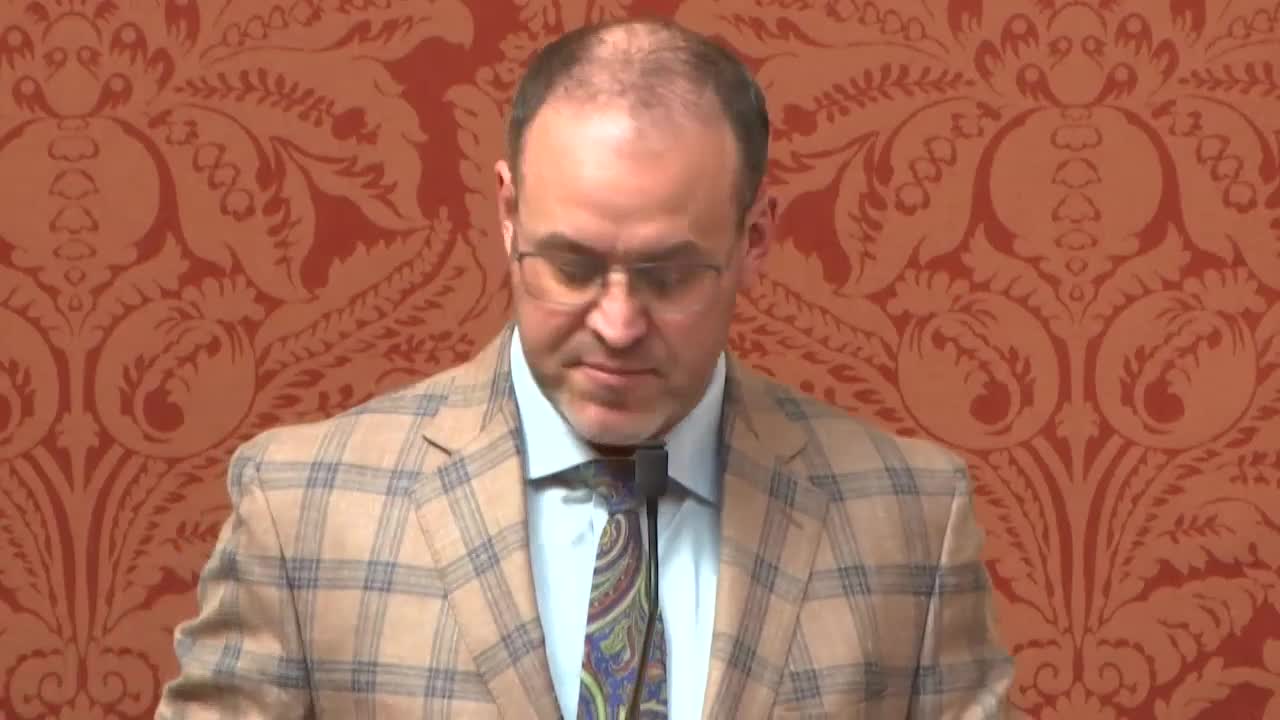
Representative Clancy, the bill sponsor, described the measure as a humane option modeled on existing "code blue" practices used in winter cold, and said the bill had input from the Utah Office of Homeless Services and multiple local governments. "This bill has been worked on by the Utah office of homeless services as well as many, cities, towns, and counties," Representative Clancy told colleagues.
Supporters said the measure created a narrowly drawn option for communities that lack shelter capacity. "This is a matter of life and death for a lot of folks," Representative Miller said, arguing that temporary refuge during extreme heat or cold protects vulnerable people who have no other safe place.
Opponents repeatedly warned the bill would set a precedent requiring local resources or creating expectations of broader ongoing services. "I still have significant concerns with the underlying premise... this is the camel's nose," Representative Snyder said, tying his concern to long-term policy and fiscal precedent. Representative Shelley, who represents rural areas, said the measure amounted to a state mandate on local governments "and we're not equipped to handle what's being asked."
Legislators pressed for clarity about how the bill would be triggered. The sponsor said the measure relied on the National Weather Service heat-risk model (the same framework used for existing "code blue" guidance), not a single fixed temperature, to account for humidity and other factors. Representative Ward asked for a temperature-equivalent explanation; the sponsor and colleagues said the package used the National Weather Service's risk categories rather than a single-degree trigger.
Representative Brooks, who represents a hotter region of the state, said many local institutions already provide ad hoc assistance during extreme weather and questioned whether the bill solved an actual statewide problem. He also read the National Weather Service risk bands during debate and noted that lower-tier alerts can occur at temperatures residents in southern Utah already see in winter.
After extended debate and multiple members speaking for and against the bill, the House rejected the bill on final passage. The roll-call tally recorded 21 yes votes and 49 no votes. The bill will be filed following the House's action.
The debate included repeated references to operational details left to local governments and volunteer organizations — for example, whether permitting, licensing or reporting requirements should apply to locations that open for short periods — but the final vote reflected a majority view that the chamber should not adopt the statute as drafted.
Next steps: Because the House rejected the bill on first substitute, the measure is returned for filing; proponents may seek to rework the language or bring a new proposal in a future session.