Get Full Government Meeting Transcripts, Videos, & Alerts Forever!
Get email alerts on the School Budget topic
No spam. Unsubscribe anytime.
Locust Valley reviews $96.4 million spending plan, tax-cap calculation and capital projects; Proposition 2 will use reserves
Summary
District presenters outlined a $96.4 million expenditure budget, a 2.7% tax-levy increase within the state cap, a $25.6 million fund balance and a capital-improvement package to be funded from the district's capital reserve as Proposition 2 on the ballot.
Locust Valley Central School District officials on Wednesday presented the third budget briefing for the 2024–25 fiscal year, describing a $96.4 million proposed expenditure plan, a tax-levy increase calculated at 2.7% under the state tax-cap formula and a capital-improvement package that will be funded from the district’s capital reserve and placed on the ballot as Proposition 2.
The presentation matters because the spending plan determines staffing, curriculum additions and capital work while the tax-levy calculation limits how much property-tax revenue the district may request from homeowners under New York State’s tax-cap framework.
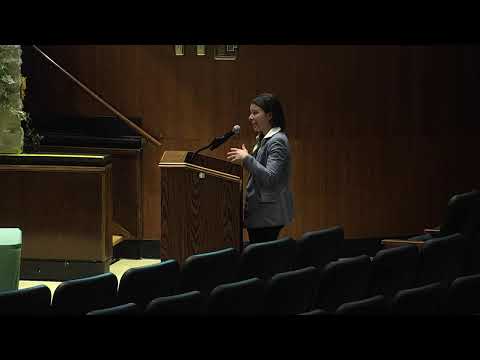
Karen Horzewski, who led the budget presentation, said the district’s current-year expenditure budget is $96,400,000 and that salaries and benefits account for about three-quarters of that total. “Of the $96,400,000 budget, $88,000,000 comes from the tax levy,” Horzewski said, summarizing the district’s primary revenue source and the central numbers used in the tax-cap computation.
Horzewski walked the board through the components of the tax-cap calculation cited in the presentation: the prior-year tax levy, a state-provided tax-base growth factor, payments in lieu of taxes (PILOTs), the consumer-price-index adjustment (CPI or 2%, whichever is lower) and allowable exclusions such as debt service and capital. Using those inputs, the district’s allowable levy increase before the current-year exclusions was presented as a 2.7% levy increase. The presentation compared that figure to neighboring districts’ caps and showed Locust Valley falls near the middle of the regional range.
On fund balance, Horzewski reported a June 30, 2024 unassigned/fund-balance total of $25,600,000 and said the district is maintaining an unassigned fund-balance amount at the 4% cap set by state law. She stated the district also maintains a capital reserve intended to fund the proposed capital improvements; the presenter said using that reserve would have no tax-levy impact. The exact current-dollar balance of the capital reserve was not clearly stated in the transcript and is therefore not specified in this article.
School leaders described budget changes by state account codes. Notable instructional items discussed included: adding a 3–5 intermediate science teacher to support elementary-to-middle science investigations; offering one additional prekindergarten section for the coming year; and proposed new high-school electives (college composition for potential dual enrollment credit, advanced international relations/model U.N., AP human geography, comprehensive music theory and keyboarding, theater and studio arts courses). The curriculum office also said it will continue alignment with the science-of-reading practices at the elementary level and expand writing instruction across disciplines.
Presenters described personnel and staffing adjustments that drove line-item changes: the reclassification of roughly 1.5 administrative FTEs in instructional codes; movement of a 0.5 FTE administrator of operations and technology into a noninstructional code; and a hire or reclassification to strengthen human-resources functions (presenter thanked “Mrs. Via” in connection with the HR work). Special-education and pupil-services codes showed year-to-year shifts tied to anticipated enrollments and some outsourced services.
Technology and operations items in the presentation included preservation of the district’s 1:1 Chromebook program (K–12), ongoing support for Promethean boards and software subscriptions, and planned Chromebook replacements for two grades. Staff said the district expects to launch ParentSquare “this week” after validating data. Horzewski also flagged ongoing costs tied to BOCES services, contracted professional development and other district programs.
The presentation included a timeline: the board will review transportation, benefits and capital-project details and begin preparing a draft budget summary in the next scheduled meeting on March 26, 2025.
Discussion points recorded in the presentation centered on curriculum alignment, staffing reclassifications, compliance with the tax-cap limit and the use of reserves for capital work. No final board vote on the proposed budget or on Proposition 2 took place at the March meeting; the capital project was described as Proposition 2 for the upcoming ballot.
Next steps: staff will return with transportation and benefits analysis and post a draft budget summary ahead of subsequent public hearings and the district’s budget vote cycle.