Lifetime Citizen Portal Access — AI Briefings, Alerts & Unlimited Follows
Bill would disqualify jobless claimants who "ghost" interviews or fail to respond to job offers within two business days (LB544)
Loading...
Summary
LB544 would disqualify an unemployment claimant from weekly benefits for failing to respond to a job offer within two business days or for skipping a scheduled interview without notifying the employer; proponents said the change would protect employers and the UI fund, while senators sought data and exceptions for emergencies or access issues.
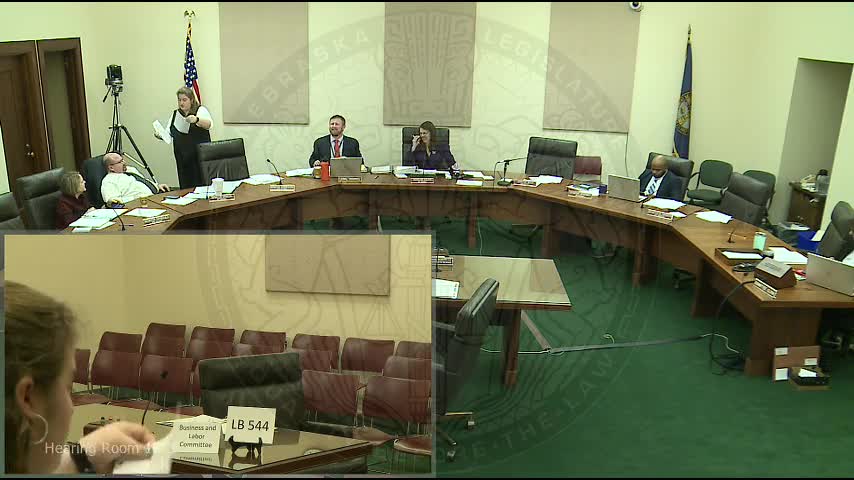
Senator Robert Dover, the bill—s sponsor, told the Business and Labor Committee LB544 addresses claimants who apply for work to meet unemployment work‑search rules but then "ghost" employers by failing to attend scheduled interviews or ignoring job offers. The bill would deem a claimant noncompliant with weekly work‑search requirements if the claimant fails to respond to a job offer within two business days or skips a scheduled interview without notifying the prospective employer. The sponsor said the bill would use the Department of Labor—s existing employer reporting portal to document abuses; an amendment (AM447) discussed in the hearing would remove the portal language to eliminate the fiscal note, leaving implementation to current reporting channels.
Andrew Wiens of FGA Action testified in support and said the measure follows successful efforts in several other states to discourage abuse and preserve the UI fund for those actively seeking work. He told the committee that employers should not have to absorb repeated no‑shows from claimants who continue to collect benefits.
The Nebraska Grocery Industry Association also supported the bill in testimony from Ansley Fellers, who said employer stakeholders wanted a clear expectation that claimants making interview appointments should notify an employer if they decline to proceed.
Committee members raised practical concerns. Senator McKinney and others asked why the bill sets a two‑business‑day response window and whether that timeframe is practical for applicants who rely on public transit, who must choose among competing offers, or who experience genuine emergencies. Sponsor Dover said he was open to considering narrowly tailored exceptions for emergencies and suggested two days was a reasonable courtesy window for claimants to communicate. Senators also asked whether existing law already covers "suitable work" refusals; sponsor and proponents said the bill focuses on the interim step of failing to appear or refusing to respond after scheduling an interview, not on broader suitability questions.
Several senators requested empirical data showing how often ghosting occurs and how it affects employers and the UI fund. Witnesses and the sponsor said available reporting is limited because employer reporting is voluntary when consequences are absent; proponents argued that the bill would create an incentive for employers to use reporting tools.
The hearing produced proponent testimony but no recorded opposition and no committee vote. Committee members asked the sponsor to follow up with additional data and draft language to address reasonable exceptions.