
Lawmakers debate move of state learning‑platform grant from Education to Treasurer after NDE failed to award funds
Get AI-powered insights, summaries, and transcripts
Subscribe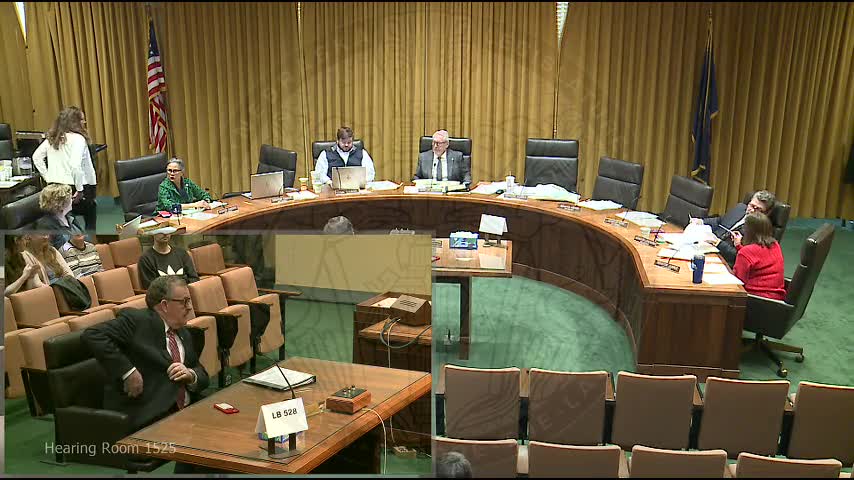
Summary
LB528 would transfer administration of a previously approved online STEM learning‑platform grant from the Department of Education to the State Treasurer’s office after NDE declined to award the statute‑required contract following an RFP; vendors, educators and NDE disagree about whether proposals met statutory criteria.
Senator Mike Jacobson introduced LB528 to relocate administration of a legislatively created, lottery‑funded “learning platforms” grant from the Nebraska Department of Education (NDE) to the State Treasurer’s office. The move follows the 2023 enactment of a law creating a competitive grant for online, game‑based STEM learning platforms; according to the sponsor, the department did not award any funds even after it received proposals.
Jacobson said the original 2023 bill intended to give every school in Nebraska access to a game‑based STEM platform without cost. He told the committee he had seen a demonstration and that at least one vendor with a ready product (Plasma Games) submitted a compliant proposal; NDE staff, however, declined to award the grant and later told the sponsor it would reopen competition at the board’s discretion. The bill therefore proposes shifting oversight to the State Treasurer, which already manages a statewide EverFi online financial‑literacy platform and — advocates said — has hands‑on procurement experience with web‑based instructional vendors.
Plasma Games and another vendor, Immerse Games, both testified as proponents. Plasma Games’ representatives described a 3D, game‑based platform that maps STEM standards to gameplay and said independent studies found usage correlated with test‑score and career‑interest improvements. Immerse Games and other education experts warned the committee that a transfer of authority and statutory restrictions in the draft bill could unintentionally prevent necessary customization and research‑and‑development work that a state‑scale rollout typically requires.
Several public‑education witnesses, including a former NDE science specialist and school leaders, urged letting NDE — with its standards expertise and educator connections — retain program oversight and authority to require Nebraska‑specific content and middle‑school emphasis. The Nebraska Department of Education filed written opposition online, saying that none of the bidders met statutory or NDE requirements. Proponents disputed that characterization and urged committee members to either require NDE to act on the RFP or to move administration to an office that will implement the program within the legislature’s intent.
The hearing produced sharp questions about procurement, potential conflicts of interest and the department’s selection process. The sponsor said he had asked NDE leadership to investigate an allegation of conflict in the prior procurement process but had not received a substantive explanation. Committee members pressed proponents and staff on implementation issues — scope, grade levels (middle vs. high school), customization to Nebraska standards, R&D funding and whether the platform would be adopted statewide or offered only to interested districts.
No votes were taken; testimony indicated divisions between vendors and education specialists on best implementation approach and between the sponsor and NDE on whether the department followed legislative intent.