Get Full Government Meeting Transcripts, Videos, & Alerts Forever!
Get email alerts on the Service Animals topic
No spam. Unsubscribe anytime.
Committee advances service‑animal bill adding fraud and access rules, owner‑training guidelines
Summary
The House Public Health and Community Committee voted to pass House Bill 668, which updates Georgia law on service animals to add fraud penalties, clarify access and allow owner‑training under defined standards while excluding emotional‑support animals.
The House Public Health and Community Committee voted to pass House Bill 668, which updates Georgia’s service-animal rules to add fraud protections, clarify access rights and allow owner‑training under state standards while excluding emotional‑support animals from the service‑animal definition.
Proponents said the measure brings Georgia into closer alignment with federal Americans with Disabilities Act (ADA) interpretations and with laws in other states that criminalize fraud and protect handlers.
Representative Thomas, who presented the measure, told lawmakers the bill updates terminology, strengthens housing and public‑access rights for eligible handlers and adds penalties for misrepresenting an animal as a service dog. Casey Whitlet, a service‑dog handler who testified in support, described losing a trained service dog in an unprovoked attack and said existing Georgia law offered no protection for handlers in that case. “Georgia is the only state in the Southeast that does not have these fraud laws,” Whitlet said, urging passage.
The bill distinguishes several elements: a misdemeanor for falsely claiming an animal is a service dog; felony penalties for causing physical harm that renders a service animal unusable or for killing a service animal (the transcript cites a potential felony of up to five years and a fine up to $10,000 for the most serious harms); and expanded access rights so handlers and properly supervised dogs-in‑training can use public transit and other public spaces under defined conditions.
Sponsors said the bill does not require a statewide registry — federal law prohibits mandatory registration — and that the ADA allows only limited inquiries (whether an animal is a service animal and what task it performs). The bill also sets standards for voluntary owner‑training and for when a dog in training may access non‑pet‑friendly public spaces, to allow handlers to prepare animals for public life.
Committee members raised the cost of trained service dogs and practical enforcement questions. Testimony in committee cited training costs ranging widely, with one witness saying some dogs may cost as much as $60,000 to train; others described entry‑level training costs in the mid‑thousands. Supporters said the bill is “tightly tailored” to exclude emotional‑support animals and to preserve federal ADA limits on inquiries.
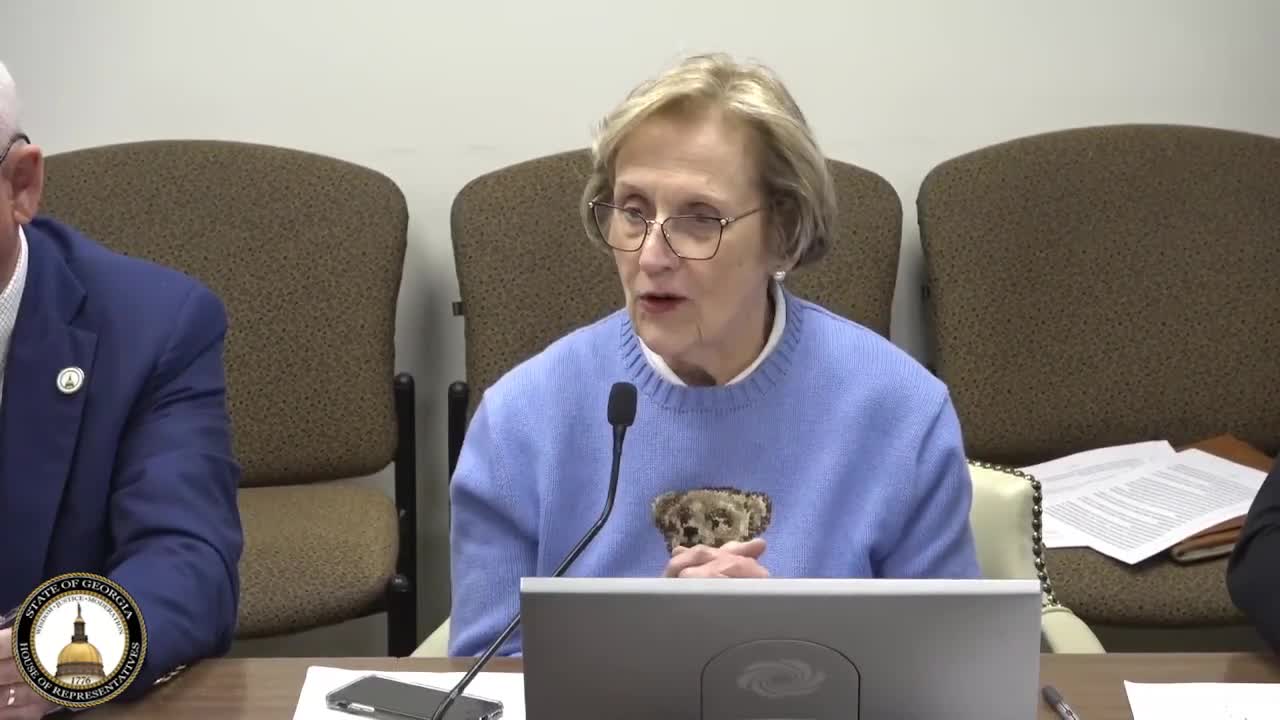
Committee members and witnesses also discussed the interplay between voluntary local registries and federal preemption; the presenters noted federal ADA guidance limits state ability to require registration. The bill passed on a voice vote; the chair declared, “The ayes have it.”
The measure will move forward for further consideration. The committee transcript does not include a roll‑call tally; the vote was taken by voice.