Get Full Government Meeting Transcripts, Videos, & Alerts Forever!
Get email alerts on the Public Health Substance Use topic
No spam. Unsubscribe anytime.
Lompoc police preview fentanyl education video funded by opioid settlements; council hears plan to use funds for outreach and Narcan distribution
Summary
Police presented a draft public‑education video and an outline for using roughly $141,000 currently available from national opioid settlements for local outreach, Naloxone distribution and education; council and residents asked for measurable goals and cautioned about limited allowable uses under settlement terms.
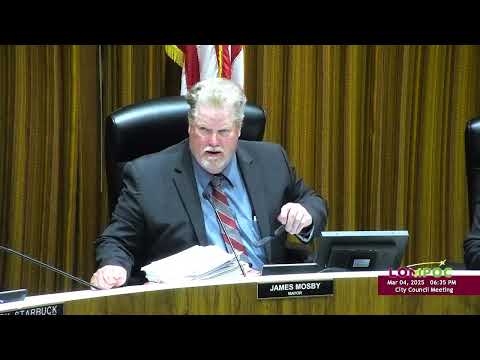
The Lompoc Police Department on March 4 showed council and the public a draft educational video about fentanyl and opioid overdose response funded by city opioid‑settlement proceeds and described plans for using settlement funds for outreach and Narcan distribution.
Police said the city’s total award from opioid settlements is “just over a million dollars” to be received over roughly 14 years, and that the city has received about $145,000 in 2024 and an additional $16,000 in 2025. After initial expenditures on the video and related materials, the police department reported that about $141,000 remains available for local outreach. The chief emphasized the settlement funding comes with “very, very strict parameters” governing allowable uses.
The department showed a draft video that includes first‑responder testimony and a narrative about fentanyl’s dangers, including an account from Captain Augustine Arias of a child who ingested fentanyl and was revived with naloxone (Narcan). The video warns about counterfeit pills containing lethal doses and describes first‑responder safety procedures and the mental health toll on crews. The department proposed using remaining settlement funds for additional outreach, social‑media distribution, television spots (shortened edits of the video), printed materials and possible staffing for education efforts, while noting hiring dedicated outreach personnel would rapidly deplete the award.
Council members and residents pressed for measurable outcomes: how the city will track whether the outreach reduces overdoses or calls for service, and how long the settlement funding must be held and used. Police said settlement money will arrive in installments over many years and that the city’s immediate priority is prevention and connection to treatment resources. The chief said the police department will make the video available through its app and social channels and produce shorter edits and flyers for schools and community partners. Chrissy Donnelly, who helped assemble the draft video, answered budget and distribution questions for the council.
Public comment included residents who described carrying Narcan and urged expanded distribution events targeted to riverbed and other vulnerable populations. Councilmembers asked that staff temper expectations for quick, measurable reductions in overdose metrics and recommended tracking baseline call volumes and naloxone administrations to measure program effect over time.
No formal council vote was taken. Staff said the department will proceed with localized outreach and will return with financial details and potential program options for council consideration if additional uses are proposed.