Get Full Government Meeting Transcripts, Videos, & Alerts Forever!
Get email alerts on the Procurement Policy topic
No spam. Unsubscribe anytime.
Spalding County staff present comprehensive procurement policy revision to align with federal rules
Summary
County staff presented a full rewrite of the procurement policy to conform with state and federal rules, add internal controls, and standardize purchasing thresholds and card controls; commissioners asked for clarifications about prior policy and local delegations.
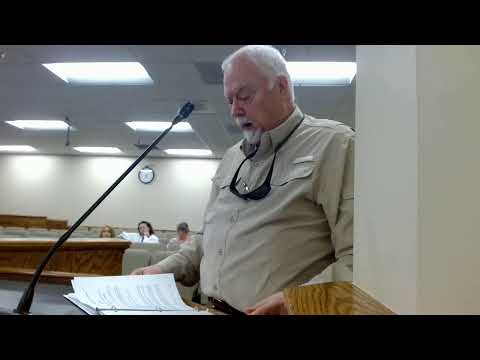
County grant writer Larry Wallace presented a comprehensive revision of Spalding County’s procurement policy at the March 3 work session, telling commissioners the document consolidates federal, state and local purchasing requirements into a single policy and establishes new internal controls and approval thresholds.
Wallace said the policy was finalized Jan. 27, 2025, and applies to "all county employees, elected officials, and contractors under county authority." He said the policy aligns county practice with federal grant rules and government accounting principles. "This document was finalized on 01/27/2025 and includes significant updates to align with current best practices in government procurement," Wallace told the board.
Key changes presented: the policy creates three procurement methods by dollar thresholds and documentation requirements. Wallace described micro purchases (up to $9,999) as not requiring competitive quotes if price reasonableness can be shown and said small purchases between $10,000 and $49,999 require a minimum of three written quotes and department documentation. Formal procurements for $50,000 or greater require public advertisement, sealed bids or competitive proposals and board approval. Wallace also described new payment controls, purchase-card (P‑card) limits (transaction limits and training), and contract-administration standards including Davis‑Bacon, Buy America and minority‑business provisions for federal work.
Commissioner questions and clarifications: Commissioners asked whether reimbursements or advanced payments are allowed under various grants, how quickly the state reimburses under the Sunnyside Park grant, and whether existing delegated purchase authorities for certain officials (including previous $50,000 delegations) would conflict with the new thresholds. Wallace said some transactions are reimbursable, clarified that reimbursement timelines were not guaranteed but often occur within 30 days, and said the policy consolidates federal and local procurement requirements rather than keeping separate federal-only rules.
Next steps and vote timing: Staff told commissioners the policy will be placed on the consent or regular meeting agenda for a vote that evening; commissioners were invited to submit technical edits (for example to correct internal job titles such as changing "deputy county administrator" to "deputy county manager"). No final vote occurred during the workshop.
Ending: Commissioners encouraged staff to circulate the draft showing differences from the prior policy before final adoption and to return with revised language on any outstanding delegation conflicts.