Get Full Government Meeting Transcripts, Videos, & Alerts Forever!
Get email alerts on the Comprehensive Plan Docket topic
No spam. Unsubscribe anytime.
Arlington council adopts 2025 comprehensive-plan amendment docket; staff outlines SEPA, timeline and traffic review
Summary
The Arlington City Council on Thursday approved a resolution adopting the 2025 comprehensive‑plan final docket, which establishes the list of privately and city‑initiated amendments eligible for review this year.
The Arlington City Council on Thursday approved a resolution adopting the 2025 comprehensive‑plan final docket, which establishes the list of privately and city‑initiated amendments eligible for review this year.
Amy Resco, a city staff member who presented the item, told the council “we are continuing with the one privately initiated amendment and the 11 amendments from the city,” and explained the docket sets the annual window for comprehensive plan amendment processing.
The docket does not itself approve any rezones or development; it simply places those proposed amendments on the city’s work plan and allows staff to begin environmental review and application processing. “The docket establishes, by code, we have one time a year that we can put comprehensive plan amendments on,” Resco said.
Resco described the next steps if the council approves a docket item: staff will reach back out to applicants, prepare a SEPA checklist and issue a non‑project SEPA determination that will identify potential environmental impacts. She said the SEPA notice goes to public agencies and addresses mailed to property owners within 500 feet of affected parcels and that staff will include all public comments in planning commission and council packets.
Council members pressed staff on traffic analysis and timelines. Heather Logan asked whether the docket would include the city economic development department’s proposed remedies for traffic at the Hazel‑and‑Highway‑9 intersection; Resco responded that staff can provide only a projected minimum set of mitigation measures because the docket is non‑project. “If a project comes back in and there’s 10 units versus 400, it might be a different” mitigation approach, she said, adding that the city will provide what it believes the minimum requirements would be.
Councilmember Jen Schweddy expressed concern about a private lane (referred to in the meeting as Fur Road) that currently functions as a single‑lane dirt private drive. Resco said private drives serving more than four homes would be required to meet full local access standards, including roadway improvements and a minimum 50‑foot right of way, if a formal project is proposed.
Deborah Nelson, who described driving the intersection and observing congestion, urged residents to keep commenting to the city and said the docket starts the process that can lead to intersection improvements. “Trust us,” Nelson said. “You may get a better intersection in this whole process.”
Councilmember Michelle Blythe encouraged residents who expect to be affected by traffic impacts to participate in the public comment process so the city and hearing examiner will consider concerns.
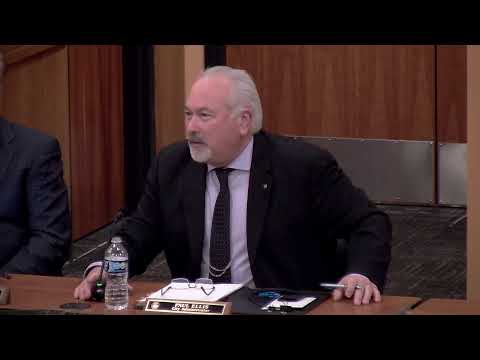
After discussion, the council moved and approved the resolution adopting the 2025 comprehensive‑plan final docket. The motion passed by voice vote; the transcript records the motion carried but does not record a roll‑call tally.
What happens next: Resco said staff plans to bring the rezones to the planning commission for public hearing in May and to the city council in June, subject to the SEPA comment period and any changes that arise during review. Any rezone that would create more than nine lots or units will proceed to a hearing examiner as required by city procedures and will include additional public comment opportunities.