
Bill to Speed Provider Credentialing Advances as Providers Describe Months‑long Delays
Get AI-powered insights, summaries, and transcripts
Sign Up Free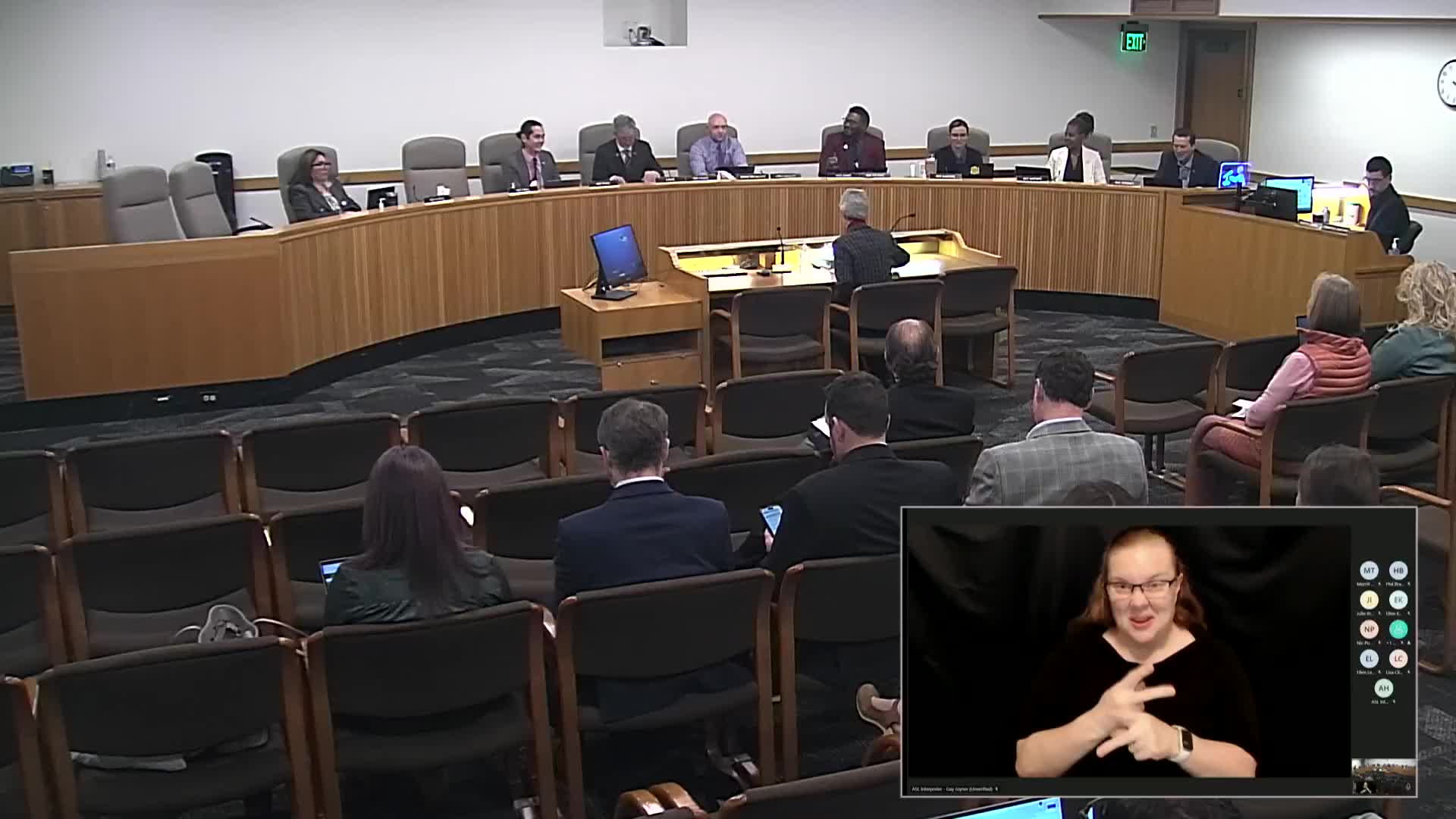
Summary
Representative Nancy Nathanson told the committee on March 4 that HB 3229 is intended to speed credentialing and empaneling so behavioral‑health providers can begin reimbursable care more quickly.
Representative Nancy Nathanson opened a public hearing on House Bill 3229 on March 4, 2025, describing the bill as a targeted effort to reduce credentialing and empaneling delays that keep behavioral‑health and other providers from beginning work for Oregon Health Plan (OHP) members.
Nathanson told the committee OHA currently averages about 52 days to process credentialing applications and has a backlog of roughly 4,300 applications. “When the missing information is supplied, the application starts over at the bottom of the queue,” she said, and the bill would require OHA to establish separate workflows for new applications versus simple administrative updates, staff up temporarily to reduce backlogs to a 14‑day queue and study automated tools to help prevent incomplete submissions.
Providers and provider‑network representatives said the delays are practical obstacles to delivering care. Evian Doherty, outpatient program director at Oregon Community Programs in Lane County, testified that his organization sometimes must choose between delaying assigning clients to a therapist until credentialing completes or providing services without reimbursement and risking tens of thousands of dollars in unpaid claims. He and other witnesses urged rules that let CCOs retroactively authorize payment to a completed application date so clinicians can be paid for services provided while empaneling continues.
Other witnesses reinforced the point. Anna Day, executive director of Oregon Community Programs and chair of the Oregon Alliance, said the bill would particularly help providers who work across multiple locations and with clients who change CCOs. Ellen Keithley, CEO of Options Counseling and Family Services (a CCO subcontractor), said her organization has chosen to provide services before paneling is complete because waiting would deny necessary care to clients and that “inefficient credentialing and empaneling processes create a harmful dichotomy: either essential care is delayed or providers are uncompensated.”
Committee members pressed for clarifications and amendments. Nathanson said the dash‑2 amendment narrows the bill to behavioral‑health providers and clarifies when the 30‑day empaneling timeline starts (with a complete application). A dash‑3 amendment would incorporate a technical change about National Provider Identifiers (NPIs), she said.
Why it matters: Testimony tied the policy change to recent legislative investments in behavioral health and described credentialing and empaneling delays as a bottleneck that prevents new hires and expanded services from reaching OHP members. HB 3229 would impose processing standards on OHA and CCOs, fund temporary staffing to clear backlogs and require CCOs to recognize the application submission date for retroactive reimbursement decisions.