Get Full Government Meeting Transcripts, Videos, & Alerts Forever!
Get email alerts on the Msba Conference topic
No spam. Unsubscribe anytime.
Board members report back from MSBA conference: finance concerns, negotiations and apprenticeship ideas
Summary
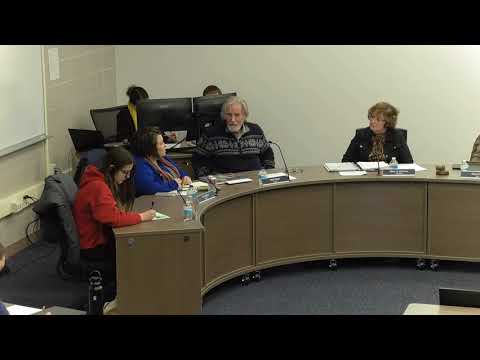
Several board members returned from the Minnesota School Boards Association conference with takeaways about school finance (including concerns over direct certification), negotiations best practices and a proposed teacher registered apprenticeship cohort (TRAC) to grow local staff pipelines.
Board members reported key takeaways from the recent Minnesota School Boards Association (MSBA) conference and said several sessions raised district-level questions about school finance, negotiation practice and staff recruitment.
Members highlighted a finance briefing that described five types of fund-balance categories — restricted, committed, assigned, nonspendable and unassigned — and stressed the importance of identifying which funds sit in each bucket. One board member said that reported fund-balance figures do not always reflect available cash because of encumbrances and pending expenses.
Members also expressed concern about an MSBA presentation on direct certification for free and reduced-price meals, which one member said could affect Albert Lea's fiscal year 2026 funding if more students are certified directly and enrollment declines. That member said the legislature will need to address potential impacts.
Negotiations and collective-bargaining best practices were another theme. A preconference session covered a checklist of negotiation steps and underscored MSBA's recommendation that a board member participate at the bargaining table. Several members said they would consider returning to that practice.
The conference also showcased a teacher-registered apprenticeship approach called TRAC (teacher registered apprenticeship cohort) that a presenting district used to recruit and grow teachers in math, special education, CTE and early childhood. A member suggested the district explore a fall 2025 launch and possible matching funds.
Several members raised the topic of artificial intelligence in instruction and assessment. One board member noted that detection tools for AI-generated student work are unreliable and said the district must balance AI's benefits with academic-integrity risks.
Board members said the conference reinforced the importance of communication between the superintendent and board. "There should be no surprises and communication between the superintendent and the board," one member said.
The board discussed procedural topics from the conference, including Robert's Rules refresher material and a demonstration that board voting could be conducted electronically and displayed on a screen.