Laredo ISD presents 2023–24 TAPR; officials highlight high rates of economic disadvantage, bilingual students and mobility-related dropouts
Loading...
Summary
Laredo ISD officials presented the 2023–24 Texas Academic Performance Report (TAPR) during a public hearing, citing high shares of economically disadvantaged and emergent bilingual students, mixed academic results with middle‑school declines in some subjects, and a discussion of dropout reporting and mobility.
LAREDO, Texas — Laredo Independent School District officials presented the district’s 2023–24 Texas Academic Performance Report (TAPR) at a public hearing on Feb. 6 that included comparisons with state and regional averages and a question-and-answer session about dropout reporting and student mobility.
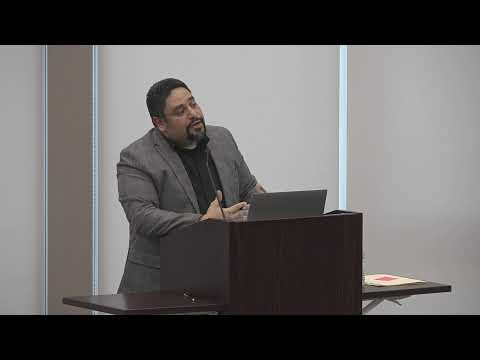
Mr. Garcia, a Laredo ISD staff member who presented the report, described the TAPR as “the Texas Academic Performance Report” that shows disaggregated student performance, demographic and staff data for each district and campus. He told trustees the district received the 2023–24 TAPR in December 2024 and the public hearing was held within the 90‑day window required by state guidance.
Why it matters: The TAPR data will inform district planning, targeted instruction and accountability work. The report showed that Laredo ISD’s student population differs markedly from state averages on measures that affect instruction and supports — including economically disadvantaged status, emergent bilingual designation and ethnicity — and presenters discussed how high student mobility affects dropout numbers.
Key findings presented and questions raised - Demographics: Mr. Garcia reported that 97.1% of Laredo ISD students were classified as economically disadvantaged versus 62.3% statewide, and 57.3% were emergent bilinguals versus 24.4% statewide. He also said the district is 99.6% Hispanic compared with 53.2% across Texas.
- Academic performance and growth: Presenters identified declines at some middle‑school levels (for example, seventh‑grade reading from 75% to 67% and an eight‑grade reading decline of nine percentage points) while noting that most high‑school EOC subjects rose or held even. The district reported increases in some measures of approaches/meets/masters and year‑to‑year academic growth in many grades; presenters pointed to specific grade‑level and subject areas for targeted intervention.
- Attendance and dropout rates: The district reported an increase in attendance from 92.5% to 93.5% and a small decline in the annual dropout rate (a decrease of 0.4 percentage points for one cohort). Trustees pressed staff on how seventh and eighth graders can be counted as dropouts. Presenters explained that high mobility, withdrawals to Mexico and delayed re‑enrollment can cause students to be recorded as dropouts if they do not subsequently enroll elsewhere. Presenters said counselors must sign withdrawal forms and that the district follows up to determine whether withdrawn students re‑enroll; if records do not show re‑enrollment the student may be counted as a dropout.
- College, career and military readiness (CCMR): The presentation reported CCMR at about 95.98% (district figure presented), with college readiness 91.7% and career readiness 77.6%; presenters said the district’s CCMR measures exceed state and regional averages.
- Testing and advanced coursework: District participation in SAT/ACT testing rose sharply (from about 38.7% to 78.2%), which presenters said reflected the resumption of school‑day testing following the COVID years. The district also reported higher advanced placement and dual‑credit completion rates than state averages, which presenters attributed to specialty early‑college programs and P‑TECH opportunities.
- Teacher incentive allotment: Presenters said 63 teachers received incentive payments in 2023–24: 17 recognized (average payout $7,979), 36 exemplary (average payout $16,392) and 10 masters (average payout $28,967).
Questions from trustees focused on dropout causes and district follow‑up. Dr. Gilberto Martinez asked why seventh or eighth graders would drop out; presenters answered that withdrawals followed by non‑enrollment (including students who return to Mexico) and high mobility are principal causes and that the district conducts follow‑up and home visits to locate students.
Public comment and adjournment: No members of the public registered to speak on the TAPR during the hearing, and the public hearing was adjourned after the presenter concluded. A motion to adjourn carried by voice vote; the transcript does not record a numeric roll‑call tally.
What’s next: Presenters and trustees discussed using the TAPR findings to guide targeted instruction, interventions and outreach to families to reduce withdrawals and improve re‑enrollment tracking.