Get Full Government Meeting Transcripts, Videos, & Alerts Forever!
Get email alerts on the District Survey Results topic
No spam. Unsubscribe anytime.
Superintendent presents districtwide student, family and staff survey results; highlights strengths and areas for growth
Summary
Superintendent presented survey results showing strong student participation and several ‘bright spots’ while also identifying areas for improvement including family-level feedback, consistency in discipline, and staff workload concerns. The board discussed follow-up actions and more frequent building-level check-ins.
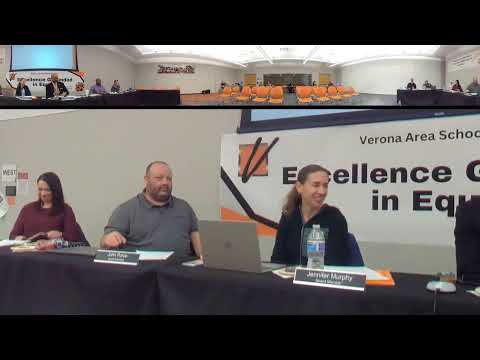
Verona Area School District Superintendent Doctor Planey presented results from districtwide surveys of students, families and staff and outlined action steps the administration will take to follow up.
The administration reported that 3,293 students in grades 3–12 participated in the student survey, representing a 75% participation rate. Doctor Planey said, “We had 3,293 students, grades 3 through 12, that participated in a survey with an exceptional rate of 75%.” The family survey drew 420 responses and the staff survey 501 responses (about a 49% response rate).
Nut graf: The surveys identified ‘bright spots’—students reporting respectful treatment and belief in school leadership—alongside consistent themes for improvement: more individualized family feedback, consistency in applying discipline, clearer grading and retake policies, and concerns about staff workload and burnout.
Key findings and context: On student responses, the superintendent highlighted strengths such as students reporting that their principals are good leaders. The lowest-scoring area for students, Doctor Planey said, was “about students in bathrooms,” which the presentation characterized as a concern about student behavior and peer respect rather than custodial performance.
Family feedback: Families reported the district’s facilities and staff favorably but asked for more information tied to each child’s progress—“We give a lot of information to families. Would they would their question was, I wanna know specifically about my child and how my child is doing,” the superintendent summarized. Families also asked for more consistent communication and clearer grading, homework and retake policies.
Staff feedback and follow-up: Staff reported pride in the district and appreciation for collaborative time, but also flagged workload, burnout and the need for clearer decision-making channels. The administration and board discussed expanding more frequent, building-level check-ins; Doctor Planey and other leaders said some schools have piloted quarterly check-ins with positive results. The superintendent said leaders will work with principals and staff to scale regular, targeted checkpoints and to ensure survey results are not a surprise at the building level.
Equity and data practices: The administration said it will analyze building-level results for disproportionate outcomes and work with principals to identify concerns while balancing confidentiality and participation rates.
Next steps: The district posted survey results online and will use building-level meetings, advisory groups and parent committees to develop concrete responses, including targeted interventions for behavior, review of grading practices and discussions about operational tools to reduce staff workload.