Get Full Government Meeting Transcripts, Videos, & Alerts Forever!
Get email alerts on the Housing Safety topic
No spam. Unsubscribe anytime.
Council debates a residential rental inspection program; staff recommends further study and stakeholder input
Summary
City staff outlined options for a residential rental dwelling inspection and maintenance program to identify unsafe rental units; council members raised concerns about enforcement, landlord retaliation, cost, exemptions for small landlords and Fourth Amendment limits. Staff will convene committee/workshop and gather local examples and data.
Diana DeSanto, interim city manager, introduced a discussion about whether Villa Rica should create a residential rental dwelling inspection and maintenance program similar to programs in Forest Park, Clarkston and Marietta. The proposal would establish a registration/inspection framework aimed at identifying unfit rental units and ensuring minimum health and safety standards.
DeSanto said staff's purpose was to solicit council direction. She noted state legislation under consideration would allow local governments to create housing‑management databases for rental properties and discussed minimum ownership thresholds used elsewhere (for example, requirements that apply to owners of five or ten units).
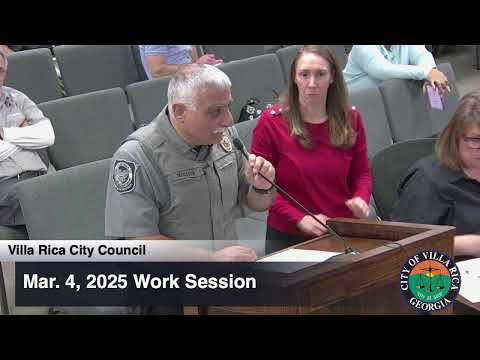
Nut graf: Council members and staff discussed tradeoffs between tenant safety and enforcement practicality. Several council members emphasized the humanitarian impulse to protect renters from hazards (examples discussed included blocked windows and unsafe wiring) but also cautioned that mandatory inspections raise legal, administrative and affordability concerns. Chief Michael Mansour said police and code staff occasionally have trouble locating out‑of‑area owners and that some serious nuisance/slumlord scenarios have resulted in municipal intervention in other jurisdictions. Staff warned a citywide inspection/registration program would require additional staffing or increase workload for current staff.
Council discussed alternatives: focus initially on larger investors (owners with 5–10+ rental units), pilot programs, an FAQ and outreach for tenants on reporting procedures, or a registration requirement tied to business licensing for rental operators. Council members also suggested using existing nuisance and municipal court authorities as an enforcement pathway and directed staff to seek more data on complaint volume and outcomes.
Ending: Council did not adopt any ordinance; staff will bring the issue to a committee/workshop for stakeholder outreach, gather comparative data from other Georgia cities, estimate staffing needs and return with recommended options.