Get Full Government Meeting Transcripts, Videos, & Alerts Forever!
Get email alerts on the Museums Programs topic
No spam. Unsubscribe anytime.
Imaginarium reports lower overall attendance, cites blockbuster summer exhibit and new programs
Summary
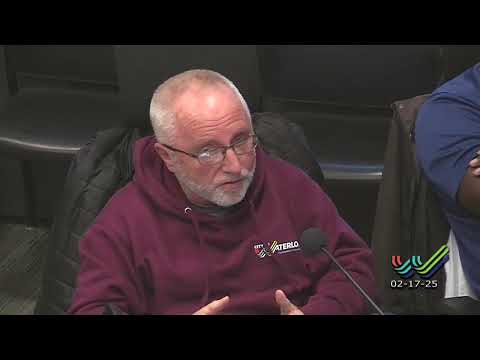
A museum presenter told the Waterloo City Council the Imaginarium has served about 23,600 people year-to-date, saw 7,000 visitors for a five-month dinosaur exhibit, won reaccreditation and launched programs while hiring a Gallagher Family Foundation–funded cataloger.
The Imaginarium reported serving about 23,600 people year-to-date, a decline of roughly 5,000–8,000 from the prior year, but said a summer dinosaur exhibit drew more than 7,000 visitors over a five-month run from May through September.
The presenter, identified in the meeting record only as a museum representative, told the council the special dinosaur exhibit showed strong community demand and that planetarium usage is increasing after a renovation and expanded show schedule. “We saw over 7,000 people come through for that 5 month run,” the presenter said. The museum also reported adding planetarium-only admissions and new planetarium programming.
The Imaginarium said its museum-school program is expanding: as of the December 31 packet the presenter said the museum had served about 886 students and is on track to serve roughly 1,250 this year. Outreach programs around the state have served about 2,700 people so far, and rental use of the renovated mess hall and lobby has hosted more than 3,000 people for events such as birthday parties and showers.
Nut graph: The presentation outlined a mix of operational pressures and accomplishments — falling overall attendance compared with last year, notable success from targeted exhibits, earned reaccreditation from the American Alliance of Museums and steps to address a decade-long collections backlog.
In addition to programming, the presenter described collections and staffing moves intended to strengthen long-term operations. The Gallagher Family Foundation has funded a part-time cataloging position with a five-year commitment; the presenter said the museum is in year two of that commitment and the cataloger is processing several artifacts per day. “He is... processing 3 or 4 artifacts in a day,” the presenter said, describing progress against a 10-plus-year backlog.
The presenter said the museum had applied to the National Daughters of the American Revolution Foundation for a conservation grant covering the remainder of a World War II flag conservation project. The presenter said the total conservation project cost is $10,000, the community had raised $6,700 and the museum applied to the DAR Foundation for the remaining $4,500; the grant result is expected in April.
The museum also noted program launches and partnerships: a continuing “Wise Girls” program with the YWCA, a monthly event with Cedar Valley Angels (foster-care mentorship), an archive project collecting oral histories (about 2,100 interviews in the archive including veteran interviews), and rotating exhibits including Black Stories Collective and a Bosnian community-focused display. The presenter said the D-Day exhibit remains on display through May.
The presenter described facility and accessibility changes: a newly created calming/sensory room and a mother’s room for visitors and museum-school groups, plus ongoing small renovations to exhibit spaces to accommodate new acquisitions including a tractor that requires storage planning.
Council members asked several operational questions during and after the presentation, including whether the Gallagher Family Foundation position is temporary. The presenter said the cataloger position is a five-year, part-time commitment and the museum is in year two.
Ending: The presenter closed by noting continued fundraising work (spring and fall appeals and membership drives), succession planning for long-serving board members and donor cultivation including reestablishing a legacy society to support long-term sustainability. The council thanked the presenter and moved to the next agenda item.