Get Full Government Meeting Transcripts, Videos, & Alerts Forever!
Get email alerts on the Municipal Incorporation topic
No spam. Unsubscribe anytime.
House backs bill to curtail new "corporate town" incorporations; HB 54 passes 53–19
Summary
After lengthy debate on March 3, the Utah House passed a bill that limits a 2024 preliminary municipality process that critics said allowed creation of privately controlled “corporate towns.” Representative Koehler and supporters argued the change restores local control; the House approved the measure 53–19.
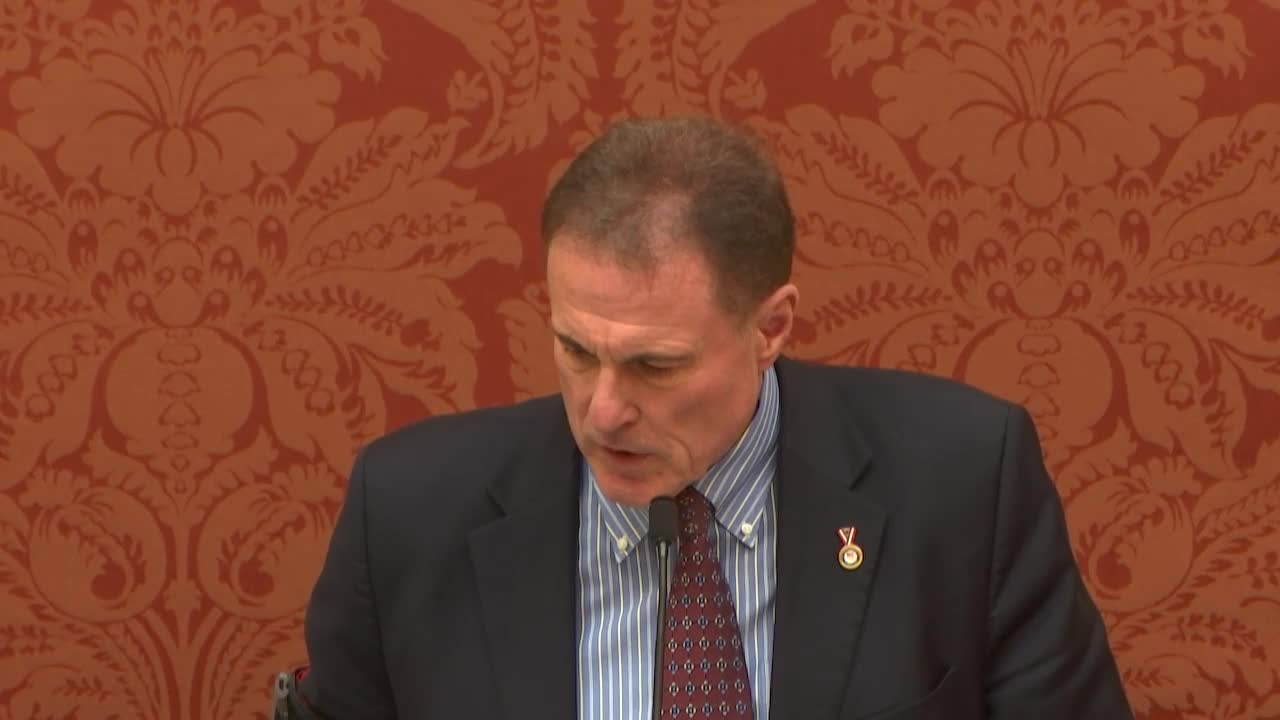
The Utah House on March 3 passed the first substitute to House Bill 54, municipal incorporation modifications, after an extended floor discussion about so-called corporate towns and local control. Representative Koehler, the sponsor, described the bill as a rollback of last year’s preliminary municipality provisions and said it would prevent the unchecked creation of privately controlled incorporations going forward. The bill passed 53 yeas to 19 nays.
Koehler said the earlier law allowed entities to form what he described as corporate towns that could set up mayor-and‑council structures, make building and utility decisions, and—critically for local officials—operate without local government oversight. He said four such incorporations already had signed up under the earlier law and that the substitute sets a cutoff date of Feb. 15, 2025, to grandfather existing sign-ups while preventing new filings after that date.
Representative Shelly and others supported returning authority to locally elected officials and scrutinizing measures that had not been fully vetted in standing committees. Shelly said the bill “points that back to the local representatives where it belongs.” Opponents debated whether the bill unduly restricted property rights and how local governments would manage resulting service and infrastructure responsibilities.
Outcome and next steps: The House passed the bill 53–19 and will transmit it to the Senate for consideration. The sponsor and supporters said the intent is to return land-use and incorporation decisions to local control and reduce the risk of unserviced development being left to counties and cities.
Ending: The floor debate flagged potential long-term management and utility issues if incorporations proceed under a model that leaves essential infrastructure incomplete, a concern Koehler illustrated with a past local example. With passage in the House, the Senate will consider the substitute and any further amendments.