Get Full Government Meeting Transcripts, Videos, & Alerts Forever!
Marathon County well survey: 1,001 private wells tested; just over 11% exceed nitrate drinking-water standard
Summary
Marathon County reported results from a two-year private-well testing program that collected samples from 1,001 wells across the county in 2023 and 2024 and found that just over 11% of samples exceeded the federal and state nitrate drinking-water standard of 10 milligrams per liter.
Marathon County reported results from a two-year private-well testing program that collected samples from 1,001 wells across the county in 2023 and 2024 and found that just over 11% of samples exceeded the federal and state nitrate drinking-water standard of 10 milligrams per liter.
The test program, conducted by county staff with laboratory analysis performed by a state-certified lab in Stevens Point, mailed sample kits to participants who self-collected and dropped them at county collection points. The county aggregated results on a public dashboard and provided individual results to each participant. The data will be used to inform Marathon County’s updated groundwater plan and targeted outreach.
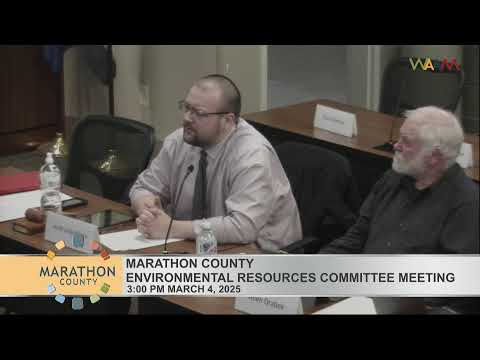
County presenter Kevin said the program was designed in part because private wells are not subject to the routine monitoring that public water systems receive. “There could be years or decades in between testing,” Kevin said, noting that since 2014 new wells are required to be tested for bacteria and nitrate and wells that undergo pump or well work are required to be tested for bacteria, nitrate and arsenic.
Why it matters: Private wells are the responsibility of homeowners, and elevated nitrate presents health risks to infants and pregnant women. Kevin said levels above 10 milligrams per liter are unsuitable for infants and women who may become pregnant and urged avoidance of long-term consumption above that level.
Key findings and methods - Sample size and timing: 1,001 private wells from outreach to more than 2,000 well owners; sampling conducted in two phases (eastern Marathon County in 2023 and western…
Already have an account? Log in
Subscribe to keep reading
Unlock the rest of this article — and every article on Citizen Portal.
- Unlimited articles
- AI-powered breakdowns of topics, speakers, decisions, and budgets
- Instant alerts when your location has a new meeting
- Follow topics and more locations
- 1,000 AI Insights / month, plus AI Chat