Volunteers-led "My Hometown" program pitches neighborhood resource centers and days of service to Santaquin council
Loading...
Summary
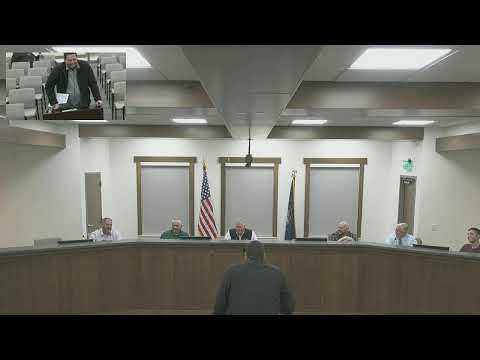
Craig and Linda Burton presented My Hometown, a volunteer-driven community revitalization program, to the Santaquin City Council during the March 4 work session, proposing community resource centers and organized "days of service" to provide tutoring, classes and neighborhood repairs.
Craig and Linda Burton presented My Hometown, a volunteer-driven community revitalization program, to the Santaquin City Council during the work session on March 4, outlining its two core elements — community resource centers that offer classes and tutoring, and organized "days of service" that coordinate volunteer projects in neighborhoods.
My Hometown brings city government, businesses, churches and nongovernmental organizations together to offer free instruction (English as a second language, computer basics, music and sewing), one-on-one tutoring and coordinated neighborhood cleanup and repair projects. "We have nearly 20,000 volunteers helping in 16 communities," Craig Burton said, adding that partner organizations logged "over 200,000 community service hours" statewide in 2024. He said volunteers include both church-assigned service missionaries and lay volunteers and that the organization tracks hours to help cities secure grants.
The presentation stressed the program’s focus on neighborhood sustainability, not simply one-off projects. "The projects are a vehicle to create neighborhoods where people know each other and want to spend time with each other and want to help each other," Burton said. He described an organizational structure of city chairs, community executive directors and neighborhood services and resource-center directors, and said community resource centers often meet in church or public buildings and do not engage in proselytizing.
Councilmembers asked about legal and practical arrangements. Burton said the church generally assumes liability for activities inside church buildings while the city assumes liability for work outside, and he described existing agreements between cities and My Hometown in other Utah municipalities. Council members pressed the presenters on inclusivity and appointments: whether leadership roles are limited to members of the Church of Jesus Christ of Latter-day Saints and how the city would exercise oversight. Craig Burton said volunteers from other faiths and none are welcome to teach and lead classes and that the program commonly begins with church-organized volunteers as a “springboard” but seeks broader interfaith participation over time.
Councilmember questions covered civil‑law and optics concerns about a municipal partnership with a church-led effort. One councilmember asked that any structure allow elected officials or city designees to have input on appointments to liaison positions so the city could ensure equal access for residents of all faiths and none. The council requested copies of memoranda of understanding (MOUs) used by other cities and said staff should review them; the mayor suggested bringing an MOU drafted by Provo back to council for consideration.
Presenters and councilmembers also discussed program limits, including restrictions on offering immigration services inside church buildings, and the need for a neutral community site when appropriate. Several attendees from other municipalities offered short testimonials about outcomes in their cities, including reductions in zoning‑violation costs and improvements to neighborhood pride.
Council members and staff agreed to review existing MOUs and to return to the program for possible action at a future meeting. No formal council action was taken at the work session.
Ending
Council members thanked the Burtons for the presentation and said staff will evaluate the Provo MOU and other materials and return a recommended path forward, including potential cost implications and liability arrangements.