Get Full Government Meeting Transcripts, Videos, & Alerts Forever!
Get email alerts on the Water Supply Losses topic
No spam. Unsubscribe anytime.
Joliet outlines aggressive 2025 plan to cut non-revenue water before Lake Michigan connection
Summary
City staff and consultant Kavanaugh and Associates presented a plan to accelerate reduction of non-revenue water, focusing leak detection and meter/main replacements in an identified central zone; city must reach less than 10% non‑revenue water before switching to Lake Michigan supply in 2030.
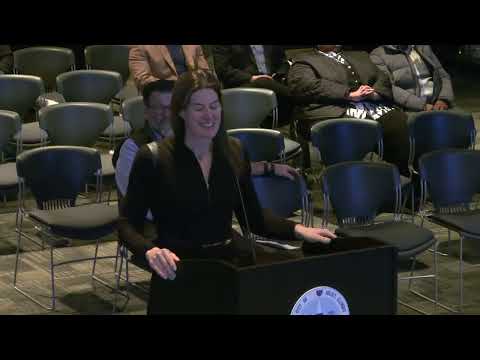
Allison Swisher, director of public utilities for the City of Joliet, and consultants from Kavanaugh and Associates told the council Monday that the city will intensify leak detection and infrastructure replacements in 2025 to reduce non‑revenue water ahead of a mandated shift to Lake Michigan supply.
The program is driven by a condition of Joliet’s Lake Michigan allocation permit from the Illinois Department of Natural Resources: the city must reduce non‑revenue water to less than 10% by the time it begins taking Lake Michigan water in 2030. Swisher said the city has been implementing a water system improvement plan since 2022 and has replaced roughly 10% of water mains and about 10,000 of the approximately 50,000 customer meters to date.
Kavanaugh consultant Will Jernigan described the three categories that make up non‑revenue water — real losses (leaks), apparent losses (metering and billing errors) and operational uses (firefighting, hydrant flushing) — and said the city’s recent audit shows real losses are the largest component. “Most of it is leakage,” Jernigan said. He added that the city’s six monitoring “zones” allow staff to narrow searches for leaks from a citywide “haystack” into smaller areas to locate leaks more quickly.
City data presented at the meeting show non‑revenue flow rates dropped from about 4,000 gallons per minute six years ago to about 3,000 gallons per minute in the most recent audit. Jernigan and Swisher said that although total flow and sales also declined (in part because of customer conservation), the percentage metric reported to the state can obscure progress; AWWA guidance recommends other metrics. "The better job you do of getting your customers to be more efficient with their water, the harder it is [to show improvement] when using percent as the measure," Jernigan said.
For 2025 the city will: continue aggressive water‑main and meter replacement; increase monthly zone‑level monitoring so staff can respond faster than the annual audit cadence; conduct a concentrated leak‑detection “blitz” in a central, older part of the system identified by the consultants; and subdivide existing zones to pinpoint leaks more quickly. Swisher said Kavanaugh will act as program manager while a city core team coordinates staff work.
Council members asked how losses break down by category; Jernigan said operational uses were less than 1% in the most recent audit, apparent losses were “a few percentage points,” and real losses were the bulk of the total. When asked if repairing leaks in one area might raise pressure and prompt leaks elsewhere, Jernigan said the monthly zoning data are intended to detect and allow rapid response to any such changes.
The city intends to discuss performance metrics with the Illinois Department of Natural Resources as it shifts away from percent‑based reporting toward measures that better reflect real reductions in leakage. Swisher said the 2025 program will be “all hands on deck” and described the year as “aggressive” given the number of concurrent activities planned.
The city has not adopted new ordinances or changed service levels as part of the 2025 plan; consultants and staff framed the work as operational and capital improvements to be executed under existing authorities and budgeted programs.