Get Full Government Meeting Transcripts, Videos, & Alerts Forever!
Get email alerts on the Alternative Education Central topic
No spam. Unsubscribe anytime.
Board questions Central High School's mission after report-card data shows low academic proficiency
Summary
Board members asked whether Central should remain a separate alternative/high-support campus after seeing that roughly 82–83% of students attend for social-emotional or medical reasons while only a minority are there for credit recovery. Trustees directed staff to provide granular trend data and consider focus groups.
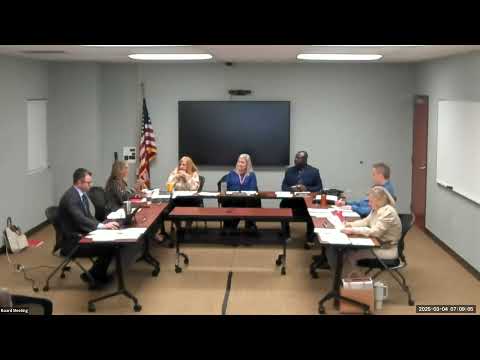
At its March 4 meeting the Lakota Board of Education spent an extended discussion reviewing the role and outcomes of Central High School, the district's alternative/hybrid campus. Board members said report-card results and enrollment breakdowns raised questions about whether Central's current configuration best serves students and the district.
Board member Doug (board member) said he hears positive anecdotes about Central but said the hard data on proficiency and growth temper that view: "I struggle with its current configuration because it doesn't seem to be matching what they say they're for and then the progress matching up to it," he said, citing low proficiency in core subjects and declining progress measures on the school's report card.
Board discussion referenced an enrollment breakdown staff presented: credit recovery accounted for about 13.1% of Central's population, alternative personal schedules about 4.2%, and roughly 82–83% of students attended for social-emotional learning (SEL) or medical needs. Trustees said those proportions suggest Central is serving primarily students with SEL/medical needs rather than functioning primarily as a credit-recovery program.
Trustees and staff discussed several operational and resourcing issues. Christina (staff member) told the board that counselor caseloads and the counseling model differed across levels: "We're not in a very proactive model right now. We're in a very reactive model, particularly the junior highs," she said, noting that junior-high counselor ratios in the district can be substantially higher than recommended practice. The board expressed concern that high counselor caseloads limit schools' ability to deliver both triage-level support and proactive academic advising.
Members asked for more granular data to understand the SEL versus medical breakdown, whether students at Central have established plans (504/IEP) or attendance problems, and how many students are transient in the Central population (staff described Central as a rolling-enrollment program with students leaving and new students entering across the school year). Trustees also asked for trend data from previous years and for staff to describe programmatic changes already implemented to try to improve outcomes.
Next steps: trustees directed staff to pull trend data for Central's report-card measures over multiple years, break out the 82–83% figure into SEL and medical subcategories, show which placement criteria most commonly prompt Central enrollment (credit deficiency, attendance, behavior, existing plans, online productivity and course availability), and consider targeted focus groups or surveys of Central families. The board did not take a formal vote on Central's structure at the March 4 meeting.
Ending: Staff will return to the board with trend analyses and options for whether and how Central's instructional model should change; the district will use the data to inform the facilities and enrollment discussions already on the board's agenda.