Get Full Government Meeting Transcripts, Videos, & Alerts Forever!
Get email alerts on the Criminal Justice topic
No spam. Unsubscribe anytime.
Arkansas House approves nitrogen gas as execution method amid moral objections
Summary
The House passed House Bill 14‑89 to change the authorized method for executions to nitrogen gas; supporters called it a humane, available alternative, while opponents objected on moral and faith grounds.
The Arkansas House on March 4 passed House Bill 14‑89, which amends state law to permit nitrogen gas as a method of execution. Representative David Wardlaw, sponsor of the bill, described the change as a way to "put us back" to executing inmates sentenced to death and said nitrogen gas is "a humane way of doing it" and is already used or considered by other states.
"It was the only thing we could do," Wardlaw said, explaining that the measure grew from discussions with the attorney general's office and victims' families seeking options after shortages and legal challenges limited existing methods.
Representative McKenzie rose to speak against the bill on religious and moral grounds. McKenzie said that, as a follower of the Roman Catholic faith, he opposed the death penalty in all forms and argued it conflicts with teachings about sanctity of life and the possibility of repentance.
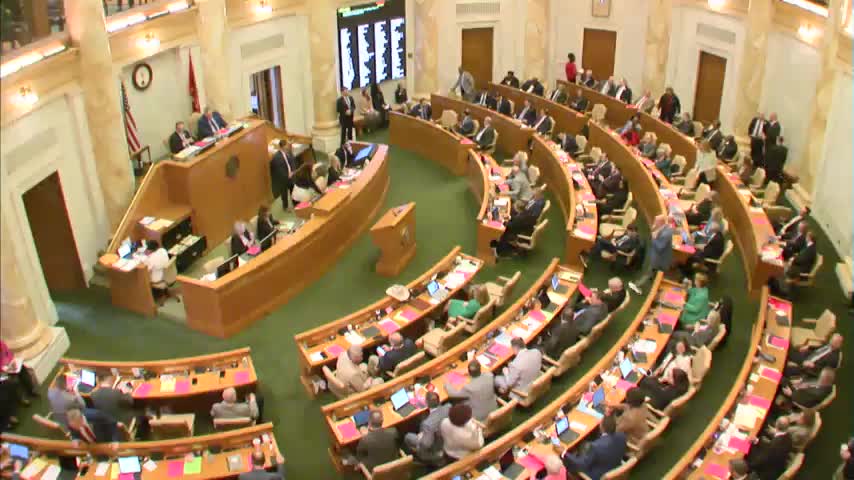
The House voted by machine: the clerk announced "a vote of 67 yays, 23 nays" and the bill passed.
Why it matters: the bill changes the statutory method available for carrying out capital sentences. Supporters framed the change as a response to practical constraints on other execution methods and as comparatively humane; opponents framed it as a moral violation and an inappropriate governmental taking of life. The floor debate was brief but sharply divided along moral lines. The bill now proceeds through the legislative process as enacted by the House.