Get Full Government Meeting Transcripts, Videos, & Alerts Forever!
Get email alerts on the Medical Malpractice topic
No spam. Unsubscribe anytime.
Committee advances medical malpractice bill aimed at discouraging frivolous suits and improving data collection
Summary
The committee passed third substitute House Bill 503, a compromise package that removes earlier caps on damages, retains plaintiffs’ access to court, adds pre‑litigation review provisions and requires data collection; sponsors and medical groups said the measure aims to reduce liability pressures while preserving meritorious claims.
The committee passed third substitute House Bill 503, medical malpractice modifications, with a favorable recommendation after sponsor Representative Hall described the bill as a compromise intended to lower pressure on health care providers while preserving access for meritorious claims.
Representative Hall said the measure responds to concerns that liability stress contributes to physician shortages and higher health care costs. "This bill is fundamentally about trying to help lower health care costs in general," she told the committee, and she described the bill as a product of conversations with stakeholders on both sides.
What the bill does Key provisions in the third substitute described to the committee include: - Use of paid (rather than billed) amounts to ground some economic damage measures. - A requirement that providers carry at least $1 million per‑claim insurance on a policy; plaintiffs’ attorneys in committee said that provision has not historically led to successful judgments against personal assets and indicated neutrality on it. - Strengthened pre‑litigation panels and an affidavit‑of‑merit process; the bill makes fee awards to prevailing parties discretionary if parties have not used the pre‑litigation panel or affidavit processes. - New data collection requirements to track malpractice claims and outcomes.
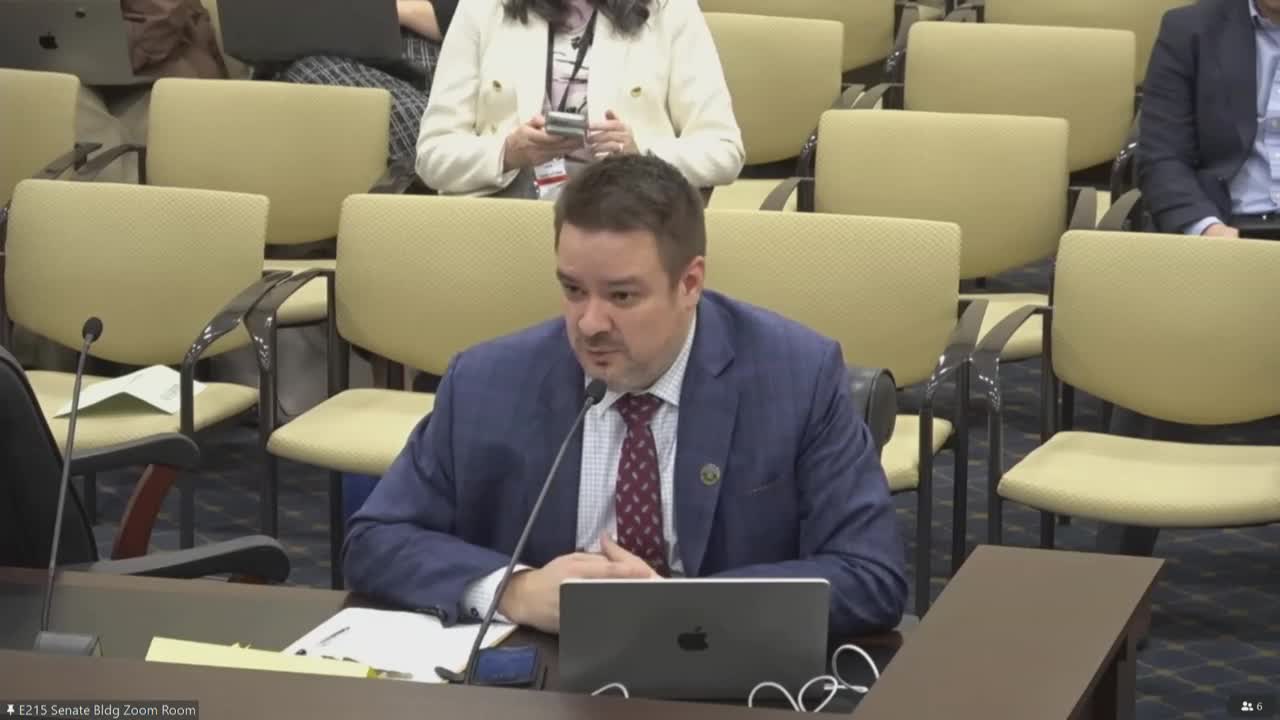
Support and testimony Medical witnesses and specialty physicians urged support. Dr. Bill Hamilton and Dr. Steven Meek testified the bill would help stabilize insurance costs and discourage settlements based primarily on the threat of personal‑asset exposure rather than on merits. Industry groups including the Utah Hospital Association and other provider organizations signaled support or neutrality after the new substitute removed earlier damage caps.
Committee action Senator Johnson moved to advance the third substitute; the committee passed the bill unanimously.
Ending: Supporters described the substitute as a balanced response that removes an earlier cap proposal while adding pre‑litigation review and data collection; the committee sent the third substitute to the full Senate.