Get Full Government Meeting Transcripts, Videos, & Alerts Forever!
Get email alerts on the Consumer Protection topic
No spam. Unsubscribe anytime.
Committee advances bill to tighten consumer protections for residential solar sales
Summary
The Senate committee gave a favorable recommendation to the third substitute of House Bill 57, which adds guardrails for residential solar sales, creates a seller registration and changes sales-employee classification and payment timing to protect consumers and good actors in the industry.
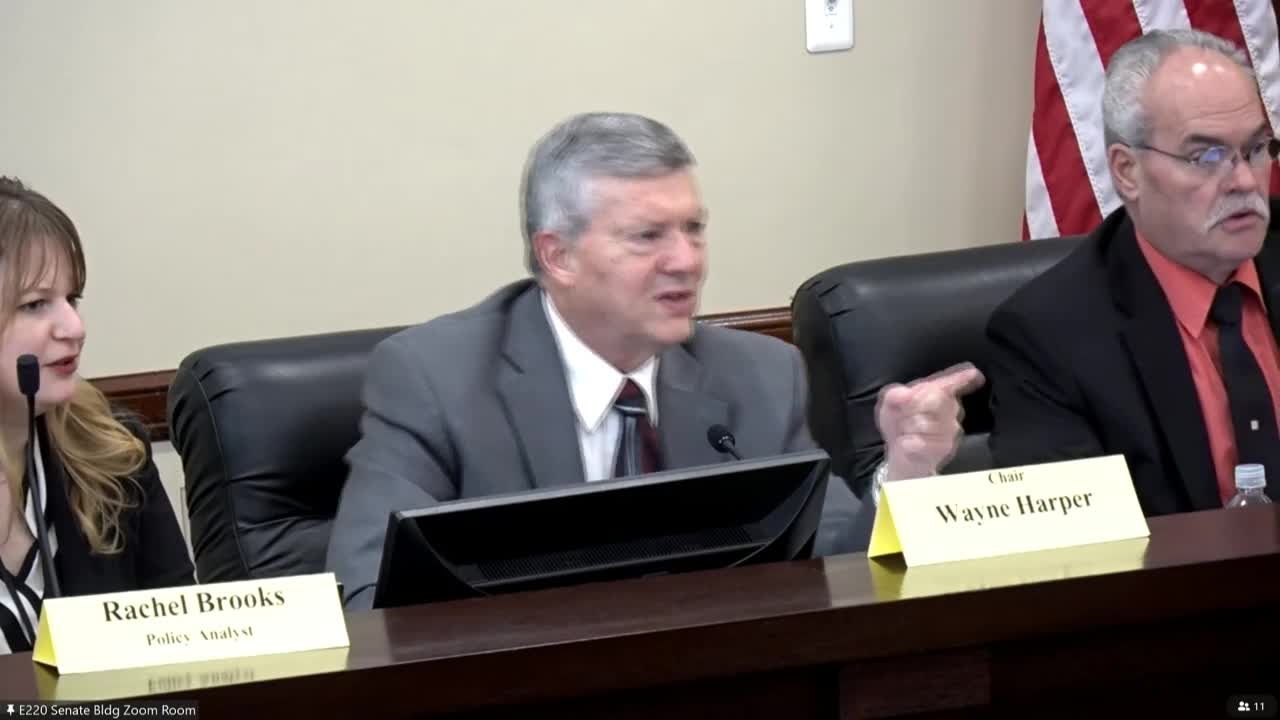
The Senate Transportation, Public Utilities, Energy and Technology Standing Committee on Tuesday gave a favorable recommendation to the third substitute of House Bill 57, Residential Solar Consumer Protection Amendments, authorizing new consumer protections, a seller registry and changes to sales-employee classification.
Representative Jack, sponsor of the bill, told the committee he has long experience with rooftop solar and said the bill is the result of a summer interim study and extensive industry input. "We put here some guardrails about when sales people make promises…that they get some 80% of what they were promised," Representative Jack said, describing staged payments and a final payment on completion. He also described moving sales representatives from 1099 to W-2 status to make enforcement easier.
Katie Haas, director of the Division of Consumer Protection, said the division has enforced the Residential Solar Energy Disclosure Act passed in 2018 and that enforcement showed consumers often did not receive required disclosures. "We're here to protect the consumer, but we're also here to protect the good actors in this space who are trying to compete on a fair and level playing field," Haas said.
Industry representatives and local power officials spoke in support but asked the committee to reconsider a strict W-2 requirement for sales representatives. Matt Holton of Tesla and Brian Smith, chief marketing officer at a nationwide solar sales company, said the W-2 mandate could disrupt existing business models and suggested alternatives such as registration of contract sellers. Municipal and cooperative utility representatives described complaints they have seen about misrepresentation and unfinished projects and said the bill’s consumer-protection measures would help.
The bill creates a registration so the Office of Consumer Protection can track sellers in the market, requires staged payments (80% before final payment), and includes performance thresholds for systems that sellers must meet or correct if they fall short. Committee members praised the collaboration that produced the substitute and the committee voted unanimously to send the third substitute forward with a favorable recommendation.
Votes at a glance: Third substitute House Bill 57 — favorable recommendation (unanimous).
The bill will next go to the Senate floor for further consideration.