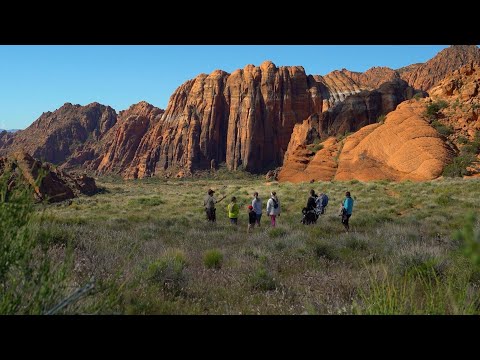
Utah Department of Natural Resources summarizes responsibilities of its two offices and nine divisions
Loading...
Summary
A Utah Department of Natural Resources spokesperson outlined the agency's mission and described the duties of its offices and nine divisions, including water management, wildfire response, outdoor recreation and energy oversight.
The Utah Department of Natural Resources described its mission and the responsibilities of its two offices and nine divisions, saying the agency manages water, lands, wildlife and outdoor recreation across the state.
The department’s statement stressed the agency’s role in working with state, local and federal partners to protect Utah’s water and lands, respond to wildfires, oversee wildlife and regulate energy and minerals development. “The Utah Department of Natural Resources helps ensure the quality of life of all Utahns by managing and protecting the state's natural resources,” a department staff member said.
The overview noted that the department includes two offices and nine divisions. It listed core functions that affect residents and visitors: conserving water and administering water rights, responding to and managing wildfires, regulating oil, gas and mining exploration, providing state parks and outdoor recreation access, and supplying geological information and law enforcement for natural-resource areas. “These parks host millions of visitors each year seeking premier fishing, hiking trails, dark skies, or a new camping experience,” the staff member said.
Specific divisions and offices named in the statement include the Office of Energy Development and the Public Lands Policy Coordinating Office; the Forestry, Fire and State Lands division; Oil, Gas and Mining; Outdoor Recreation; State Parks; Water Resources; Water Rights; Wildlife Resources; Utah Geological Survey; and DNR law enforcement. The remarks summarized each division’s focus: for example, Forestry, Fire and State Lands was described as promoting healthy forests and protecting communities and watersheds by responding to wildfires; Water Rights was described as overseeing how water is distributed, dam safety and groundwater in critical areas; and Wildlife Resources was described as regulating fishing and hunting and conserving habitat.
The department also framed its energy work as balancing affordability, reliability and sustainability, saying the Office of Energy Development “takes a thoughtful measured approach to energy policy to keep energy affordable, reliable, and sustainable.” The statement said the agency works across jurisdictions to "protect the certainty and security of Utah's water, elevate the health of our lands, watersheds, and wildlife, manage public lands and enhance outdoor recreation, and expand Utah's energy and minerals portfolio."
The overview was presented as an informational summary of the department’s responsibilities rather than a proposal or formal action. No motions, votes or policy changes were recorded in the provided remarks.
The statement concluded by reiterating the agency’s role in protecting natural resources for current and future generations and noting the protections DNR law enforcement provides for trails, waterways, wildlife and recreators.