Get Full Government Meeting Transcripts, Videos, & Alerts Forever!
Get email alerts on the Housing topic
No spam. Unsubscribe anytime.
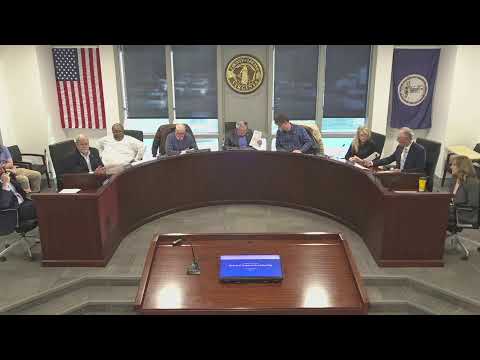
Louisa Housing Foundation requests county help to cover grant shortfalls and to administer $1 million HUD program
Summary
Representatives of the Louisa Housing Foundation outlined a shortfall in grant funding, requested $50,000 for program operations and up to $165,000 to cover administrative needs tied to a newly awarded $1 million HUD older-adult home modification grant, and described programs that keep low‑income and older residents in their homes.
Kim Hyland, representing the Louisa Housing Foundation, told the Louisa County Board of Supervisors that the foundation is facing a roughly $65,000 gap in grant funding for home repairs and other programs and asked the county to consider program and administrative support.
Hyland said the foundation requested $50,000 in program funds to plug immediate project gaps for home repairs and related services. She also said the foundation is seeking $165,000 in administrative support that would help the group manage grants and meet paperwork and staffing requirements for a newly awarded federal grant.
The nut graf: The foundation reported it secured a $1 million Older Adult Home Modification Program (OAHMP) grant from the U.S. Department of Housing and Urban Development (HUD), but told supervisors that limited administrative funding tied to that grant could prevent the foundation from using the money. Hyland said HUD requires a program manager and a part‑time occupational therapist for OAHMP compliance and that without administrative funding the county’s residents could lose access to the $1 million in repairs for older adults.
Hyland summarized the foundation’s current operations and funding: she said the organization has five staff, six Louisa County board members, and a mix of volunteer support. She reported the foundation provided about $283,000 in repairs last year (made up of HPG funds, in‑kind donations, volunteer labor and other grants) and that Louisa County residents received about $163,000 directly in grants. Hyland said the foundation received $115,000 in HPG funds this year, down from about $180,000 the prior year, and that the total HPG availability for the county was about $111,000 this year.
Hyland said the difference in available grant funding and projected needs—about $65,000—motivated the $50,000 program request. She emphasized that some grants the foundation administers (for example HPG and a septic/well program) require lengthy application steps including environmental review and historic preservation review.
The presentation included specifics on programs the foundation runs: centralized home repairs (septic, water heaters, electrical, bathroom modifications for older adults), a down‑payment program for first‑time buyers, rental properties that can convert to homeownership, financial education, construction training and a volunteer ramp program. Hyland said the foundation expects to continue at least $400,000 in repairs this year and highlighted a new OAHMP award that is limited to older adults but frees other funds for younger households.
Supervisors asked about timing and staffing. Hyland said the HUD grant is structured over three years and that administrative needs include certification (e.g., CAPS—Certified Aging in Place Specialist), site visits, project certification, and an occupational therapist estimated at roughly $45,000 a year; she estimated administrative pay and overhead at about $50,000 a year. She said the foundation has applied for multiple other grants and uses volunteers and in‑kind donations to lower project costs.
Hyland described program outcomes and risks if funding is cut: possible staff reductions, delays in construction, fewer repairs, increases in blight, greater health risks (mold remediation, safety hazards), and a harder‑to‑measure increase in homelessness among people the foundation now keeps housed. She said the foundation has turned rental tenants into homeowners using a model that includes a forgiven/deferred second lien to provide 20% down and noted recent property sales and loan servicing of about $1.78 million in outstanding loans that the foundation administers.
Ending: Supervisors praised the foundation’s volunteer base and work; several said they would consider funding options and follow up in budget discussions. Hyland closed by asking supervisors to contact her with district‑specific housing needs and reiterated the foundation’s goal of keeping Louisa County residents in safe, affordable homes.