Get Full Government Meeting Transcripts, Videos, & Alerts Forever!
Get email alerts on the Raw Milk topic
No spam. Unsubscribe anytime.
State veterinarian: Idaho maintains large raw‑milk program; program requires in‑state sales and testing
Summary
Idaho officials told the House Agriculture Affairs Committee the state regulates a sizable raw‑milk sector, requires registration and testing for certain diseases, and does not allow interstate sales of raw milk under federal law.
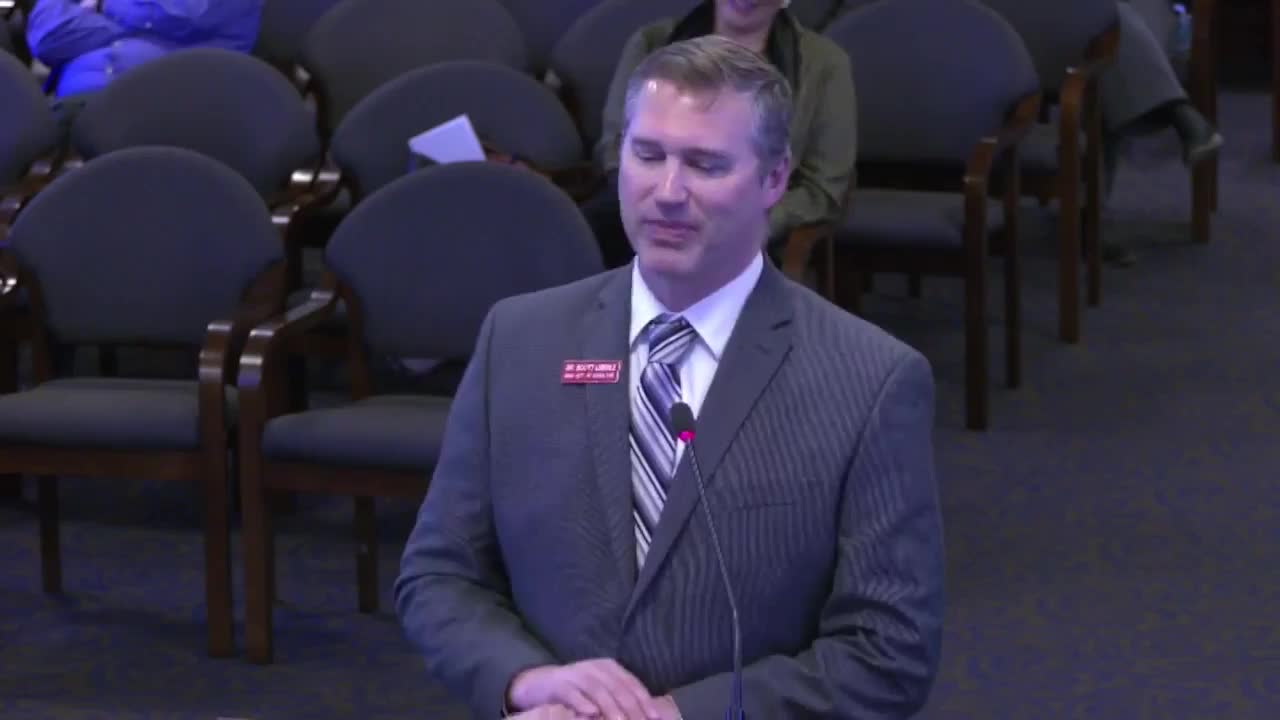
Dr. Scott Lively, administrator of the Division of Animal Industries and state veterinarian, briefed the House Agriculture Affairs Committee on Idaho’s raw‑milk program, describing participation levels, state requirements and market limits.
The nut graf: Idaho officials said the state supervises one of the largest raw‑milk programs in the nation, enforces state testing and registration requirements, and cannot change federal rules that bar interstate commerce in raw milk.
Lively told the committee Idaho’s raw‑milk participants include 82 raw‑milk cattle dairies, 79 raw‑milk goat dairies and one raw‑milk sheep dairy, figures the department cited while describing strong consumer demand. He said the state “enjoys 1 of the highest participation in raw milk in The United States” and that the program has continued for more than a decade.
On regulation and disease prevention, Lively said producers who participate must register with the department and submit animals for testing for tuberculosis and brucellosis; those tests are described as manual testing by the department. He also noted federal law prohibits the interstate sale of raw milk, so sales are limited to in‑state customers.
Committee members asked if raw‑milk demand has fallen or changed; Lively said demand remains strong and that state decisions to relax some requirements a few years earlier increased opportunities for producers who choose to participate. He said the department regulates the program “with a light hand” and that people who want raw milk should continue to be able to access it under existing state rules.
Ending: Officials did not propose statutory changes to the raw‑milk program during the briefing; they described ongoing monitoring and registration requirements.