Get Full Government Meeting Transcripts, Videos, & Alerts Forever!
Get email alerts on the Environment Lead Remediation topic
No spam. Unsubscribe anytime.
Public, commissioners press EPA for faster lead cleanup; commission holds formal comment letter for further edits
Summary
Residents urged Butte‑Silver Bow to demand a shorter remedial timetable and expanded cleanup boundary in comments on EPA’s proposed plan; staff revised the county’s comment letter and the commission voted to hold the item for further review and final action Feb. 5.
Butte‑Silver Bow commissioners on Jan. 22 heard multiple public speakers pressing for a faster, broader cleanup of lead‑contaminated soils and previewed a revised county comment letter to the U.S. Environmental Protection Agency addressing the BU priority soils operable unit proposed plan.
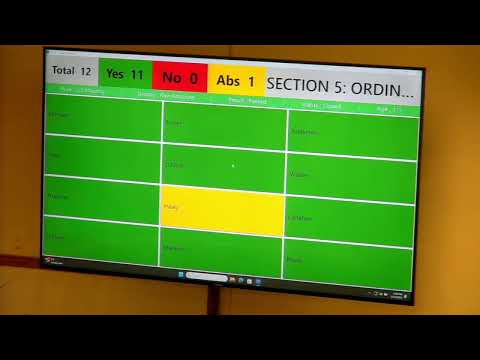
Residents called for a shorter timetable than the EPA’s projected decades‑long schedule and for inclusion of additional neighborhoods the county says were left out of the draft boundary. The commission voted 12‑0 to hold the communication in committee of the whole and to take final action at its Feb. 5 meeting.
The concerns surfaced during public comment. Dave Hutchins, who identified himself from 529 South Colorado, asked commissioners to press the county’s leverage with EPA and to seek restoration of the RMAP plan into the consent decree and new authorities to address unwilling landowners: “I think it’s really important when considering this plan to bring that up again and try and push for this to be brought into the consent decree,” Hutchins said.
Another resident, who identified himself as Mr. Davis, said the county’s draft letter was too “soft” and urged a much shorter cleanup timetable: “We need a clean up here in 5 to 6 years,” he said. Former state legislator Fritz Daley, also speaking in favor of a faster cleanup, urged the use of the best available science and said, “If one child in our community faces an issue because of excess blood level or arsenic level in their bloodstream, it’s one too many.”
Eric Hasler, Reclamation and Environmental Services director, told commissioners staff had reworked the county draft to place the three primary requests up front — accelerating the schedule, expanding the cleanup boundary to include neighborhoods excluded in the draft, and clarifying outstanding technical questions — and added emphasis on urgency without changing the substantive content of the letter.
Commissioner Shea suggested the revised letter be attached to the agenda so it becomes part of the public record; Commissioner Fisher said he would also send a separate, personal comment letter to EPA that others could join. Chief Executive Gallagher reminded the public that anyone may submit comments directly to EPA and that EPA is required to respond to public comments.
The council voted 12‑0 to hold communication number 2025‑18 in committee of the whole; staff said final action would be taken at the Feb. 5 regular meeting. The county’s submitted comment letter and individual public comments will become part of the administrative record for EPA’s response process.
The commission and multiple residents framed the discussion as a bid to shorten EPA’s proposed schedule and to ensure neighborhoods they believe were omitted receive a separate technical review and consideration.
Looking ahead, the commission’s next formal opportunity to adopt or revise the county’s submission to EPA is the Feb. 5 regular meeting; individual residents and commissioners indicated they also would submit comments directly to EPA prior to the public comment deadline.