Get Full Government Meeting Transcripts, Videos, & Alerts Forever!
Get email alerts on the Impact Fees topic
No spam. Unsubscribe anytime.
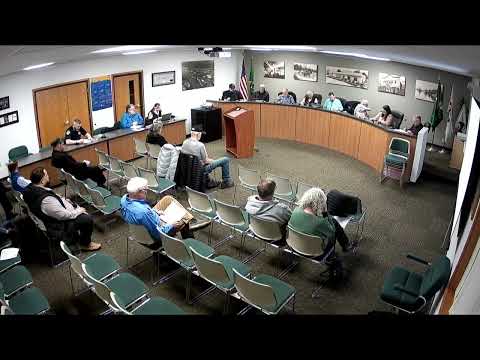
Prospective tap house owners ask Woodland to review $225,000 transportation impact fee
Summary
Two prospective owners described plans for a family‑friendly tap house and said a $225,000 transportation impact fee would jeopardize their ability to pay living wages and support community programs; council members called for a workshop and asked for detailed business and engineering information.
Bobby Vickery, a medically retired veteran, and partner Zach Goldfinch told the Woodland City Council they plan to convert a lot on North Gehrig Street into a family‑oriented tap house and food‑vendor area but said transportation impact fees estimated at roughly $225,000 threaten the project’s viability.
“We’re looking at about a $225,000 traffic impact fee,” Vickery told council. “...What that means is that I'm not gonna be able to provide living wage income for my employees. That is going to directly impact my ability ...”
Vickery described the project as a barndominium‑style tap house with a second‑floor deck, three container‑style food vendors, a grain‑silo‑style gazebo and an 80‑by‑100 turf area for family events such as movies on the lawn. He said the project aims to provide community benefits — partnership with schools, internships and support for youth programs — but that the scale of the impact fee and loan underwriting requirements could block those goals.
Vickery said federal Small Business Administration underwriting requires about 20% equity for the loan he seeks and that the cash on hand needed to meet lender requirements means “I have to come up with $400,000 of liquid capital.” He added that financing and the impact fee could raise the total cost to him by about $500,000 over the loan life.
City staff explained how the fee estimate was calculated: the traffic engineer counted 31 peak‑hour trips for the proposed use and applied the updated fee schedule, which increased per‑trip charges from roughly $5,600 to about $8,000, producing the roughly $250,000 figure cited in related staff comments. The council noted that if the site had an earlier commercial use, those impact fees likely would have been paid by the prior use and would not apply in the same way to a change of use.
Travis Goddard, the city planner, confirmed the project completed a pre‑application site review and that the formal site plan and engineered materials should be submitted within about a week and a half. He also noted that the Trammell Crow warehouse projects elsewhere in town could be counted differently depending on timing.
Several council members expressed interest in a workshop to examine impact‑fee policy and whether limited relief or a moratorium for a narrow category of projects would be appropriate. Councilmember Terry (surname used in transcript) and others said any accommodation should be transparent and available to other businesses. Council members also asked the prospective owners to come to a workshop prepared with a detailed business plan and financier attestations.
Why it matters: Transportation impact fees cover a share of capital costs for road and intersection improvements tied to new development. A large, upfront fee can deter small entrepreneurs, and council members must balance revenue needs for infrastructure with economic development goals.
Next steps: Councilmembers suggested scheduling a workshop and asked the applicants to return with a full business plan, bank commitments, and the finalized site plan so staff can model exact fee calculations and road upgrade requirements.