Get Full Government Meeting Transcripts, Videos, & Alerts Forever!
Get email alerts on the Sex Offender Registry Expert Funding topic
No spam. Unsubscribe anytime.
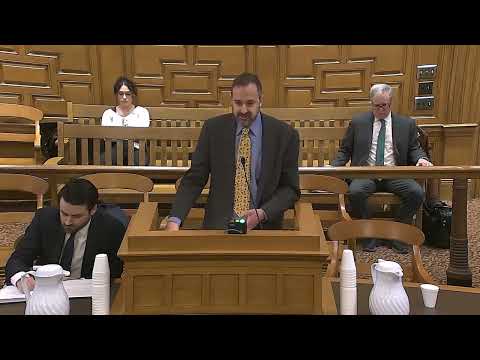
Appeals court considers request for expert funds in Sex Offender Registry Board challenge
Summary
An appellant seeking relief from Sex Offender Registry Board restrictions asked the court to fund a psychological expert, arguing historic trauma and personality disorder are linked to his offenses; the board urged deference to the hearing examiner’s finding that no sufficient nexus was established.
The panel heard oral argument in an appeal by a registrant seeking judicial review of a Sex Offender Registry Board decision. Counsel for the appellant asked the court to remand for funding of a clinical expert, arguing there is documentary evidence of severe personality disorder and a clinician’s opinion of a correlation between early trauma and later sexually problematic behavior. The board urged deference to the hearing examiner, who concluded the proffered materials did not establish the required nexus between a psychological condition and risk of re‑offense.
Why it matters: The question is procedural and evidentiary: when must state tribunals or courts provide resources for a psychological expert and what documentary threshold must appellants meet to obtain such funding? The decision will affect registrants seeking evaluations that bear on risk and registry status.
Appellant’s argument: Fred Burkholder, arguing for the registrant, stressed a historical record that includes a 1983 competency evaluation diagnosing severe personality disorder and borderline traits characterized by impulsivity, substance abuse and anger. Burkholder said the examiner failed to credit clinicians who found a plausible causal link between early trauma and later sexually problematic behavior and that a contemporary expert report quantifying current risk would be outcome‑determinative after 38 years of incarceration and treatment.
Registry board’s position: Board counsel responded that the hearing examiner thoroughly reviewed the record and reasonably concluded the documents did not establish a clear nexus between the registrant’s mental‑health history and the offenses for purposes of funding an expert. Board counsel noted periods of stability and the applicant’s lack of clear acting‑out incidents during incarceration — while acknowledging some episodes of decompensation — and argued that the board’s factual determinations warrant deference.
Courtroom focus: Justices queried whether the Hambridge (clinician) letter and older psychiatric notes provided a sufficient foundation to require an expert, and whether newly submitted material would likely change a risk assessment that reflects decades of treatment, institutional behavior and a later alleged misconduct episode in 1995.
Ending: The court heard extended argument on factual and procedural points and reserved decision. No funding order or ruling was issued from the bench.