Get Full Government Meeting Transcripts, Videos, & Alerts Forever!
Get email alerts on the Land Use And Zoning topic
No spam. Unsubscribe anytime.
Appeals court asked to overturn zoning board variance over stacked‑parking system and abutter standing
Summary
In 24P0915 an abutter challenged variances for an automated stacker parking system at 7 Dana Avenue, arguing the proposed 27‑unit project will worsen parking and street operations; developers and the zoning board countered that off‑street parking requirements are met and an expert rebutted claims of street impact.
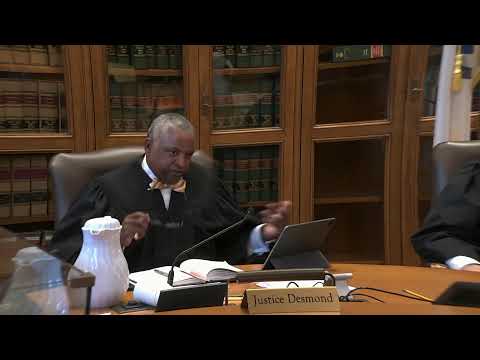
The appeals court heard argument in 24P0915, Joyce Michaelides (co‑trustee of the 3 Dana Ave Trust) v. HHC 1 Arnold LLC, over whether the plaintiff next‑door abutter has standing to challenge zoning variances granted for an automated, stacked‑parking system serving a substantially larger residential project.
Attorney Damon (Tony) Seligson, arguing for the appellant Joyce Michaelides, said the project increases density from an existing four‑unit configuration to 27 units and 36 bedrooms and that the variance to a stacked system will meaningfully affect on‑street parking and street operations. Seligson relied on affidavits from the property owner and tenants describing limited on‑street parking, rental discounts previously paid to tenants for MBTA lot parking, and the narrowness and one‑way nature of the street. “My client put in an affidavit,” Seligson told the panel, summarizing tenant statements that parking is already constrained and that the added residents and visitors will burden local curbspace.
Michael McDermott, counsel for HHC 1 Arnold and the developer, and the city’s traffic expert submitted a professional report and affidavit from traffic engineer Ian McKinnon. McDermott said the zoning‑code ratio for required spaces is satisfied and that the maneuverability relief relates to a technology that McKinnon described as commonly used, regularly maintained, and unlikely to have measurable effect on street operations. McKinnon’s affidavit estimates system arrivals during peak hours and forecasts vehicle service times; during argument McDermott cited the expert’s estimate that vehicle demand could be one vehicle every four to five minutes with a per‑operation service time of around 40 seconds.
Judges pressed counsel on whether expert traffic evidence was required to rebut the presumption of standing and whether the affidavits submitted by Michaelides were sufficiently particularized rather than generalized neighborhood complaints. The zoning board and city counsel argued that the record included objective expert evidence addressing maneuverability and street operations and that the presumption of standing had been rebutted.
Why it matters: The panel’s treatment of standing and the evidentiary threshold for traffic/parking impairment will affect how courts review variances for automated parking technologies and whether nearby property owners can mount successful challenges absent technical traffic proof.
Argument concluded and the matter was submitted to the court.