Get Full Government Meeting Transcripts, Videos, & Alerts Forever!
Get email alerts on the Elder Law And Real Estate topic
No spam. Unsubscribe anytime.
Appeals court reviews claims that friend‑broker acted as fiduciary and violated Chapter 93A in Wheaton property sale
Summary
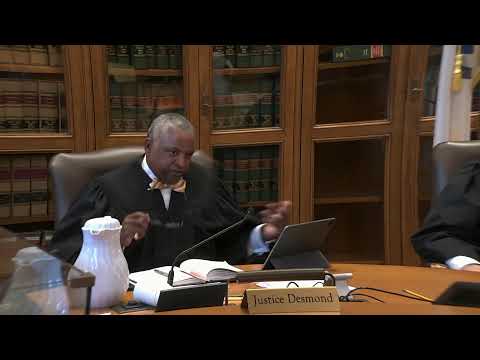
In 24P0287 the panel heard argument about whether Anna Coletta—who introduced a buyer to elderly property owner George Wheaton and later facilitated a sale to an associate—owed a fiduciary duty to Wheaton and whether her conduct amounted to an unfair or deceptive practice under Mass. Gen. Laws ch. 93A.
The Massachusetts Appeals Court heard argument in 24P0287, George H. Wheaton v. Anna Coletta et al., over two principal issues: whether the trial judge erred in finding that Coletta owed a fiduciary duty to Wheaton and whether the court correctly concluded Coletta engaged in unfair or deceptive trade practices under Mass. Gen. Laws ch. 93A.
Roger Peace, counsel for Anna Coletta, said Coletta was a friend of the family who helped facilitate introductions and document preparation and that she did not act as a licensed real‑estate broker on behalf of Mr. Wheaton. “This was a favor. This was family,” Peace told the panel and argued that paperwork associated with the sale was not the type of commercial broker engagement that creates fiduciary obligations.
Mark Dickerson, counsel for the conservator and the party defending the Wheaton interests, urged deference to the trial judge’s special‑verdict factual findings and said the record supported the judge’s conclusions. Dickerson pointed to evidence that Coletta prepared, transmitted, and participated in the purchase and sale documents, was present at the closing, and had regular contact with Wheaton and family members as support for the jury‑like verdict form that found a fiduciary duty and Chapter 93A violation.
Argument focused on several disputed facts in the record: whether Wheaton had requested a real‑estate agent, whether he was competent at relevant times (experts and medical evidence of cognitive decline were discussed), whether Coletta ever disclosed to Wheaton or his attorney that she had a personal relationship with the buyer, and whether a reasonable factfinder could infer a commercial agent relationship from her conduct. Counsel also debated the role of testimony from family members (including Margaret Wheaton) and documentary evidence such as offer forms and text messages that prosecutors’ counsel said showed Coletta procured buyers and coordinated the transaction.
Why it matters: The case tests how courts distinguish between a social‑favor introduction and a commercial brokerage relationship, and whether undisclosed relationships and transactional participation can create fiduciary obligations and Chapter 93A liability when an elderly owner later complains about the transaction.
The panel heard argument and took the matter under advisement.