Get Full Government Meeting Transcripts, Videos, & Alerts Forever!
Get email alerts on the Instructional Budget topic
No spam. Unsubscribe anytime.
Yorktown presents $70.84 million instructional proposal; priorities include literacy coaches, FlexPath expansion, AI and ASL programs
Summary
District administrators outlined instructional budget priorities for 2025–26 totaling about $70.84 million, highlighted growth in special education caseloads, plans to add two literacy coaches, expansion of the FlexPath therapeutic program, new AI and ASL courses, and technology and cybersecurity investments.
Yorktown Central School District administrators presented an instructional budget proposal on March 3 that would allocate approximately $70,841,000 for instructional codes in fiscal year 2025–26, a projected 2.4 percent increase over the current year.
Superintendent Dr. Hatter opened the presentation and turned the instructional portion to Assistant Superintendent for Curriculum and Instruction Miss Amerling, Director of Pupil Personnel Services Caroline Almeida, Director of Technology Jennifer Forsberg, and Ms. Sanfilippo, who summarized the projected budgetary impacts. The presenters described priorities and program-level detail that would shape the superintendent’s final budget to be presented March 24 and adopted by the board on April 21 if approved.
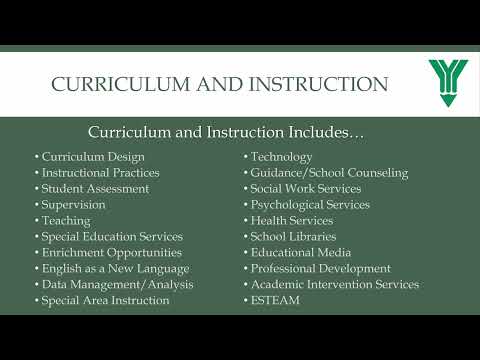
Instructional priorities highlighted included investing in two literacy coaches to provide sustained in-classroom support for K–5 teachers implementing the science of reading; expansion of multi-tiered systems of support (MTSS) and standardized instructional support team (IST) protocols; and continued partnerships with BOCES and the Lower Hudson Regional Information Center (Lyric) for specialized services. The district said it used evidence-based programs including Great Leaps, IXL, UFLI, the 95% Group, and Bridges Math to support literacy and math instruction.
Pupil personnel services data presented by Caroline Almeida showed rising special education needs. The transcript lists current counts (as of Feb. 18) of 103 preschool special education students; about 280 students served through Section 504; 627 students currently classified in grades K–12; and 50 students placed out of district. Almeida said referrals remain pending and that the district continues to see increases in anxiety and depression among students across age ranges, with growing needs even in preschool. The district described its full continuum of services (consultant teacher push-in, integrated co-teaching, special class programs, related services such as speech and occupational therapy) and noted partnerships with Southern Westchester BOCES, Putnam Northern Westchester BOCES, Rockland BOCES, other public districts, approved private schools and approved residential schools when required.
Administrators described FlexPath (a therapeutic alternative program launched this school year) as a modular-campus program that started with 14 seats (briefly at 15) and combines in-person staff supports with online curriculum (Edgenuity) and DBT-based group and individual counseling. Staff reported the program is running and expects at least four participants to graduate this year. The district proposed expanding FlexPath from 14 to 18 seats for 2025–26, likely adding a 0.6 FTE to support the expansion; administrators said they expect to reallocate existing special education staffing at the high school to avoid a net increase to the general fund staffing budget.
Technology and data priorities presented by Jennifer Forsberg included continued 1:1 Chromebook coverage, inventory management, classroom device refresh, cybersecurity enhancements, and one recommended full-time tech services coordinator through the district’s Edutech contract. Forsberg said the technology and data team supports more than 4,100 users in a 1:1 Chromebook K–12 environment, about 1,200 workstation devices, 1,000 Apple iOS devices, more than 400 security cameras, and 350-plus interactive and regular classroom displays. Cybersecurity work this year included implementation of a 24/7 security operations center (SOC) that flagged 33 items last month for the team’s review; a phishing-detection tool that remediated roughly 300 suspicious items in the last seven days before they reached inboxes; and a 24/7 Google Workspace data-risk assessment tool to detect possible exposure of sensitive data.
Forsberg also explained a recent operational change: New York State and Google did not reach a data privacy agreement for certain optional Google services, and district accounts can no longer access some services such as YouTube, Google Earth, and Translate as of Feb. 28; core Google Workspace services remained in place. Administrators said schools are using BOCES resources and building-level alternatives to support instruction while the state and vendors negotiate.
Budget-level notes from Ms. Sanfilippo said the $70.84 million figure covers salaries, equipment, contractual services, BOCES services and supplies; benefits are budgeted separately. Line-item changes explained included increases to school resource officer (SRO) and greeter costs; reallocation of some federally funded positions into the general fund (for example an additional 0.5 FTE Title I position and a 0.45 FTE social worker), and the plan to convert a contracted Edutech position to a full-time tech services coordinator. The presenters reminded the public that the state budget (due April 1) and final board adoption (April 21) could affect final amounts.
Ending: Administrators said the superintendent will present the final budget March 24; the board’s adoption is scheduled for April 21 and the public vote for the budget and board election is May 20, 2025.