Get Full Government Meeting Transcripts, Videos, & Alerts Forever!
Get email alerts on the School Improvement topic
No spam. Unsubscribe anytime.
District leaders, principals report winter gains and ongoing challenges in school improvement work
Summary
Laramie County School District #1 trustees heard a work‑session update from central office and principals on winter interim results, school improvement plans and supports for schools identified as needing assistance; officials credited focused PLC and MTSS work for gains while noting staffing and substitute shortages as ongoing obstacles.
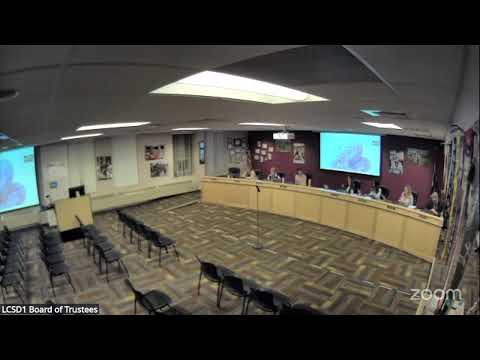
Laramie County School District #1 trustees met March 3 for a work session that brought principals and central staff together to review winter interim assessment results and 90‑day updates on school improvement plans.
The presentation by district staff and principals emphasized measured gains on interim assessments and progress toward removing schools from the state’s “in need of support” list. Jed (district staff) told trustees the district is now fully accredited based on the most recent report and that the number of schools identified as “in need of support” has declined from six two years ago to four for the coming year; he said Alpha Vista dropped off the list this year.
Why it matters: trustees said the updates show the effects of sustained work on tier‑1 instruction and multi‑tiered systems of support (MTSS), while principals described operational challenges that limit how quickly gains can appear at scale.
Principals described how their school improvement plans focus goals tightly. Ian Brown, principal of Rossman Elementary, said the school prioritized strengthening PLCs and MTSS and has partnered with Solution Tree on a “15 Day Challenge” to sharpen unit planning and prioritize standards. Brown said the school has seen “major growth specifically in the area of math” between fall and winter interims and credited teacher implementation and data‑driven PLC work.
At a larger school, administrators described efforts to increase the use of proven instructional strategies through frequent classroom walkthroughs. A high‑school principal said leadership teams set a goal of 100 walkthroughs early in the year to benchmark current practice and have seen the number of observed research‑based strategies grow during the year.
Several principals identified staffing instability and a shortage of substitutes as recurring constraints. Rossman’s Brown said a lack of substitutes has sometimes required pulling paraprofessionals to cover classrooms, which reduces time available for targeted MTSS interventions. Leaders at small schools cautioned that with smaller enrollment counts, even a single new or transient student can change percent‑based performance metrics substantially.
District staff said screening and progress‑monitoring systems are guiding interventions. Director of Instruction Amanda Hall described FastBridge screening reductions in the number of students qualifying for individualized reading plans (IRPs) from fall to winter — districtwide she reported 164 fewer students in grades K–3 meeting the IRP threshold compared with fall — and said winter YTOP interim averages were higher this year than winter last year in several elementary grades. Hall and Assistant Director Chuck Kern showed principals “stoplight” and roster reports that break interim results down by strand so PLCs can target instruction to specific standards.
Principals described routine collaboration across building triads, district coordinators’ visits and targeted professional development as key supports. Several principals said they routinely share practices that worked in one building with nearby schools and that curriculum coordinators have been providing regular, hands‑on support.
Principals and central staff stressed that data points in interims and screeners are not used in isolation: they are combined with district assessments, universal screeners and progress monitoring to guide instruction and interventions.
Trustees thanked staff and principals for the work and said the board will continue monitoring progress through the spring interims and summative assessments.
Closing note: principals asked for continued board visits to buildings and offered to provide additional, school‑level detail on request.