Get Full Government Meeting Transcripts, Videos, & Alerts Forever!
Get email alerts on the Beach Restoration topic
No spam. Unsubscribe anytime.
St. Augustine Beach plants sea oats to begin dune-building, protect shoreline
Summary
City of St. Augustine Beach and contractor Adura planted sea oats along a stretch of the city’s shoreline on March 3, 2025, with officials saying the plants will trap sand, help rebuild dunes and provide habitat for wildlife including the federally protected Arastasia Island beach mouse.
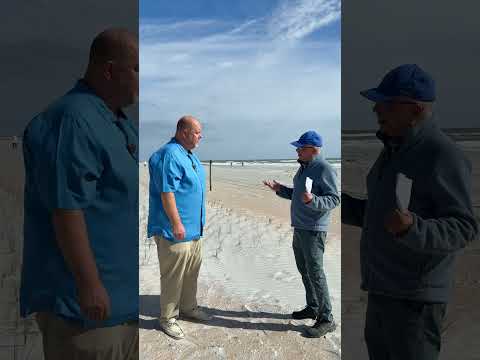
ST. AUGUSTINE BEACH, Fla. — On March 3, 2025, the City of St. Augustine Beach and contractor Adura planted sea oats along the city’s southern shoreline from the southern end of Second Street toward Sixteenth Street, Mayor Dylan Rumrill said during a brief on-site update.
Radeesh, a representative of Adura, described the areas planted and explained the purpose of the effort. “They’re pretty hardy and pretty drought resistant once established,” Radeesh said, adding that newly planted sea oats should be left undisturbed while they establish. “From my perspective, I’m an engineer by trade … we are doing a lot of the beach nourishment projects … to really provide two things. Recreational benefits … and also it provides a lot of storm protection.”
The planting covers two distinct zones, Radeesh said: a continuous stretch on the western side of the planting area and a second zone “just South Of A Street from about B Street all the way down till Bermuda Run” intended to fill gaps in existing vegetation. He said earlier beach and inlet projects dated to the mid-1990s, with previous plantings in February 2007 and February 2019; the current planting began roughly two weeks before the March 3 remarks and “is already collecting sand two weeks into this,” he added.
Radeesh said the city’s federal shore protection project historically did not include a dune-building component; the planted sea oats are intended to act as a starter to trap windblown sand and help rebuild dunes over time. He described how an established root system helps stabilize sand and noted aesthetic and habitat benefits, including providing shelter and potential food for beach species. Radeesh specifically mentioned the Arastasia Island beach mouse, saying, “Which is the federally protected species.”
Mayor Dylan Rumrill introduced the presentation and said the city hosted the planting work; he closed the brief by inviting listeners to a regular program he hosts. There were no formal votes or regulatory actions recorded in the March 3 remarks.
The planting is part of local shoreline maintenance and restoration activity intended to complement past beach nourishment work; no new funding, ordinance changes or binding city directives were announced during the on-site remarks.