Get Full Government Meeting Transcripts, Videos, & Alerts Forever!
Get email alerts on the Public Comment Budget Transparency topic
No spam. Unsubscribe anytime.
Residents question $450,000 transfer for school capital work at Loudoun County meeting
Summary
Public commenters raised questions about a $450,000 transfer tied to school capital projects and whether fire marshal review costs were being double-counted; officials directed commenters to county staff for line‑item clarification.
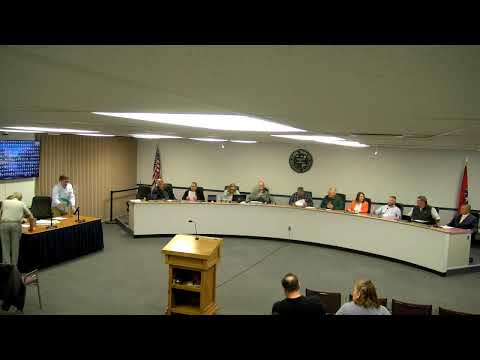
Two members of the public used the Loudoun County Commission’s general public comment period on March 3 to question a $450,000 transfer tied to school capital work and to ask why fire marshal review costs appeared to be duplicated in the county packet.
Rich Aikman said he was concerned the county was moving $450,000 from capital assets to a debt or note fund while the school system already had previously received sizable sums. He raised specific figures from earlier disbursements — which he summarized from prior minutes and documents — and asked whether the packet showed redundant funding for schematic design, design development and construction documents. Aikman said the fire marshal review must be done before bids go out to avoid change orders and additional costs when bids are opened.
Pat Hunter also asked county officials for clarity on the county general fund line items, specifically citing a $25,000 increase in public safety overtime and a $5,400 line for records preservation. Hunter asked what equipment would be purchased, where it would be stored and why overtime spending remained in the budget if new hires were intended to reduce overtime.
County representatives in the meeting suggested that the speakers contact county finance or budget staff for a detailed breakdown. One commissioner said Ms. Rye (or staff in that office) could provide line‑by‑line answers to “tell you to the cent where every one of those pennies are going.” The commission did not take a vote on the questions raised during public comment; the meeting’s packet included a capital outlay note summary and ARPA appropriations report that the commission accepted as distributed.
The concerns voiced reflect requests for greater detail in budget reporting rather than a formal policy challenge during the meeting; commissioners and staff noted that the budget committee had reviewed items and that some expenditures were already obligated or spent.