Get Full Government Meeting Transcripts, Videos, & Alerts Forever!
Get email alerts on the Housing Complaints Washtenaw Health topic
No spam. Unsubscribe anytime.
Washtenaw County Health Department explains housing-complaint process, limitations to Ann Arbor Renters Commission
Summary
Kristen Chwekofer, environmental health director with the Washtenaw County Health Department, told Ann Arbor Renters Commission members how to file housing complaints, the department’s authority under Michigan’s public-health code and important limits to county enforcement.
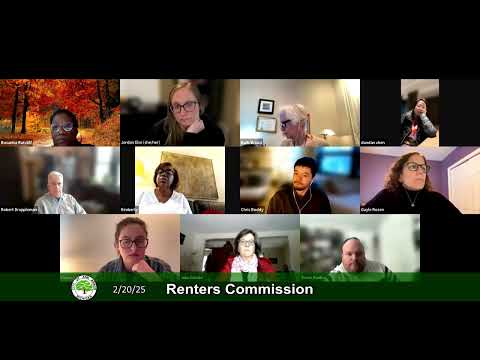
Kristen Chwekofer, environmental health director with the Washtenaw County Health Department, told the Ann Arbor Renters Commission on Feb. 20 that the county’s environmental health division accepts housing and other environmental complaints and can contact property managers to seek remediation but faces staffing and statutory limits.
Chwekofer explained the department’s authority and practical role: it can take complaints about mold, bed bugs, pests, plumbing and sewage backups, and other conditions; it can notify landlords and recommend remediation; and, under Michigan’s public health code, local health officers may order correction of nuisance or unsanitary conditions. But Chwekofer said the department often relies on more specific local building-code authorities for enforcement in Ann Arbor and that resources limit routine site visits and testing.
"We take any sort of housing complaint," Chwekofer said. "Most common complaints are mold and bed bugs." She told commissioners that the department previously logged roughly 50–80 complaints per year and that current case volume has grown to about 280 annually, a rise she attributed to several possible causes including more rentals, better reporting and deteriorating conditions.
Chwekofer outlined how to file a complaint: callers may phone the county’s environmental health intake number during limited business hours or file complaints online 24/7 (she provided a QR code in her presentation). Complaints should include the complainant’s contact information, the property address, the property manager’s contact information if known, descriptive details of the condition and any actions already taken, and photos or videos if available. The department can keep complainants’ contact information confidential on request but needs sufficient details to follow up.
She emphasized operational limits: the health department generally does not perform mold air testing, odor detection, or pest-control services; it does not provide legal services for lease disputes or security-deposit returns; and it does not have the staffing for routine site inspections in every case. "We don't have the equipment or resources to test on the tenant's behalf for mold," Chwekofer said, and added that the department may refer cases to partner agencies, including Ann Arbor’s rental housing services, South Central Michigan Legal Services and the University of Michigan Law Clinic.
Chwekofer also noted county programs and resources: the Washtenaw Health Project helps low-income and uninsured residents access care; the department inspects about 1,200 restaurants twice yearly and posts inspection reports online; and the county sells radon test kits (she said the kits currently cost $10). She closed by offering to share her presentation and by inviting questions.
What this means for renters and landlords: tenants should document issues and first contact property management; if that fails, file a housing complaint with Washtenaw County Environmental Health and provide photos and a timeline. Expect the county to advise and, when appropriate, refer to other enforcement bodies; but do not expect the county to routinely perform mold testing or provide legal remedies.