Get Full Government Meeting Transcripts, Videos, & Alerts Forever!
Get email alerts on the Liquor License Transfer topic
No spam. Unsubscribe anytime.
Lansing council opposes transfer of three Rite Aid liquor licenses to proposed party‑store operators; vote 6–2
Summary
The Committee of the Whole voted 6–2 on Jan. 24 to send a resolution opposing the transfer of three liquor licenses currently in escrow from Rite Aid Michigan Inc. to Vance UZP Inc., citing concentration of licenses and neighborhood impacts in South Lansing.
At the Jan. 24 Committee of the Whole meeting, the council voted 6–2 to send a resolution opposing proposed transfers of three liquor licenses currently in escrow from Rite Aid Michigan Inc. to Vance UZP Inc. The licenses are tied to properties identified in the transfer request at 4700 Pleasant Grove Road and 1910 East Michigan Avenue; a third listed location at 4519 South Martin Luther King Jr. Boulevard was reported during the meeting as withdrawn from consideration by the applicant.
Why it matters: Council members and neighborhood groups argued that the proposed transfers would increase the density of party‑store‑style license holders in South Lansing neighborhoods already targeted for revitalization and community investment. Supporters of the transfers said the applicants plan broader convenience‑store operations and would make property improvements and provide local employment.
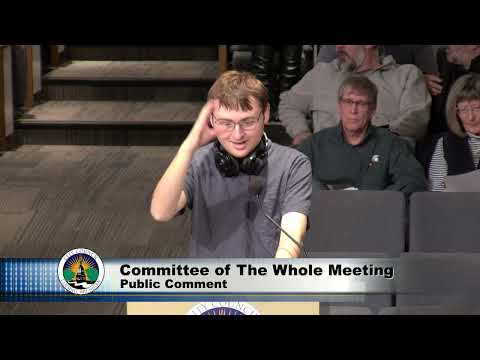
Public comment: Two speakers addressed the item from different perspectives. Mitch Rice, a Second Ward resident, told the committee he supported the resolution to deny the transfers. He asked for more defined plans for HRCS carryforward spending and said he was “supportive of the resolution to deny the transfer of the 3 liquor licenses.”
Representing the applicant, Eduard Zany spoke in favor of the proposed transfers and provided the committee with a written letter. Zany told the council the proposed operations would not be “your standard liquor store” and that the applicants plan to invest in property improvements, lighting and cameras and to offer some non‑liquor goods. “What our proposed operation looks like at these 2 locations is not your standard liquor store,” Zany said.
Council debate and rationale: Councilman Adam Hussain urged opposition to the transfers for one of the sites, describing a concentration of licenses near schools, parks and public housing and citing neighborhood revitalization projects under way. He noted long histories of enforcement issues at one parcel and said the city has invested in programming and infrastructure in the area; opposing the transfer, he said, aligned with those efforts. Council members raised that letters from neighborhood groups (Rejuvenating South Lansing, Southwest Action Group) had been submitted opposing the transfers. Several council members asked whether promises made by the applicant (for example, investment commitments) would be legally binding; the city attorney’s office advised that such statements to council are not binding on the liquor‑license process regulated by the Michigan Liquor Control Commission.
Council action: Vice President Carter moved the resolution opposing the transfers. The committee voted 6 in favor, 2 opposed; the resolution will be transmitted as the council’s input to the state licensing authority (Michigan Liquor Control Commission). The committee’s vote is advisory to the MLCC, which makes licensing determinations under state law.
Ending: The council’s resolution signals neighborhood and municipal opposition to the proposed transfers; the MLCC will consider the application and any objections as part of its regular licensing process.