Get Full Government Meeting Transcripts, Videos, & Alerts Forever!
Get email alerts on the Budget And Carryforwards topic
No spam. Unsubscribe anytime.
Council approves deficit‑elimination plan, approves budget carryforwards after debate over HRCS expenditures
Summary
On Jan. 24 the Committee of the Whole unanimously approved a deficit‑elimination plan for fringe benefits and approved budget amendment carryforwards from FY23–24 to FY24–25 by a 7–1 vote after discussion about Human Relations & Community Services carryforward items and timing for program spending.
At the Jan. 24 Committee of the Whole meeting, city finance staff presented the fiscal year 2025 second‑quarter general fund status and a related set of budget items. The council unanimously approved a deficit‑elimination plan for the fringe benefits internal service fund and later approved a set of budget amendment carryforwards for FY23–24 into FY24–25 by a 7–1 vote after questions about timing and use of Human Relations and Community Services (HRCS) funds.
Why it matters: the actions adjust the city’s fiscal documents for obligations that cross fiscal years and address a shortfall in an internal fringe‑benefit fund. Several public commenters and council members pressed for clarity about how HRCS carryforwards—intended for homeless services, community needs assessments and racial equity grants—will be spent and tracked.
Jake Brower, Chief Strategies Officer, summarized the second‑quarter general fund position. He said the city adopted a FY25 general fund budget of about $165.2 million in total revenue and a similar level of expenditures and reported an updated general fund balance of approximately $40.65 million, with $31.37 million unassigned. Brower noted that year‑to‑date general fund revenue collections were about $99 million (roughly 59.9% of budget) and flagged income‑tax receipts trending slightly under track while property taxes were expected to come in on schedule.
On the deficit plan, city staff explained the fringe benefits internal service fund had not been fully charged to operating funds during the audit process, producing a balance shortfall that must be resolved by a statutory deficit‑elimination plan. Staff said the driver of the increase was higher health‑care premiums; the city remains at the statutory hard‑cap for employee insurance contributions. The committee approved the deficit‑elimination plan unanimously after staff said the impact would reduce the fringe fund balance to about 15% but remain within policy targets.
Budget amendments and carryforwards: the proposed mid‑year carryforwards covered multiple items, including a $796,000 carryforward for city council operating items (security for Cesar Chavez events, community funding and training), a $14,008 addition to Office of Community Media for parking costs related to relocation, and multiple HRCS items. Director Desiree Coleman (HRCS) explained HRCS seeks to carry forward encumbered contract funds for studies and programs that began in the prior fiscal year but close or pay out in the current year. Key HRCS items discussed in public comment and by council included a proposed homelessness study (the public comment cited an allocation of $50,982) and a community needs assessment request of about $80,000 to allow issuance of an RFP, plus ongoing allocations for emergency food, eviction prevention and household goods for housing placements.
Director Coleman noted specific offsets and uses: $9,500 already spent on household goods for 19 permanent supportive housing units at Walter French; emergency food assistance allocations targeted to two large shelters; and an ongoing racial equity grant program budgeted at $200,000 per year with an annual award cycle (the department typically begins each year with about $166,000 on hand and plans awards in May or June).
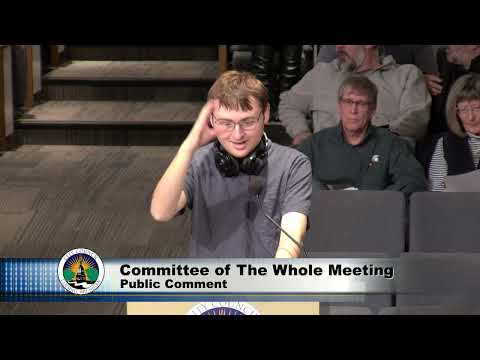
Public comment: Mitch Rice (resident, Second Ward) asked for more detailed plans and transparency for HRCS carryforward expenditures, questioned an unclear line item and requested clarity about who would perform the homelessness study and when results would be shared. Nichols Zandy (president, Old Everett Neighborhood Association) criticized what he characterized as ad hoc deficit‑reduction approaches and urged legislative oversight.
Council action and votes: Vice President Carter moved the deficit‑elimination resolution (fringe benefits); the committee approved it unanimously. Carter then moved the budget amendment carryforwards; the committee approved the carryforwards 7–1. Later in the meeting the council reconsidered and again approved the carryforwards 7–1. The committee also voted unanimously to place on file updated HRCS Advisory Board rules of procedure that adjust meeting location and quorum language.
Ending: Council members asked to streamline timing so carryforwards can be approved earlier in the audit cycle and requested additional reporting to show how carried funds will be spent. Staff agreed to explore procedural changes and to provide follow‑up detail to council.