Get Full Government Meeting Transcripts, Videos, & Alerts Forever!
Get email alerts on the Municipal Employment Vacancies topic
No spam. Unsubscribe anytime.
Lansing officials report dozens of vacancies; police and public works staffing cited as service risks
Summary
At the Jan. 24 Committee of the Whole meeting, city HR staff reported 55 budgeted vacancies counted toward the general‑fund vacancy factor and 19 sworn Lansing Police Department openings. Council members and staff discussed training pipelines, recruitment barriers and short‑term service impacts such as yard‑waste schedule changes.
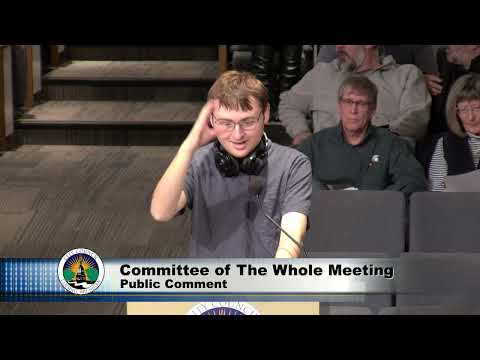
At the Lansing City Committee of the Whole meeting on Jan. 24, 2025, city human resources staff presented an updated vacancy report showing 55 positions counted toward the general‑fund vacancy factor and 19 sworn vacancies in the Lansing Police Department, including seven recruits in the current academy.
The vacancy report matters because staffing shortfalls affect day‑to‑day services and public safety, council members said. The HR presentation and subsequent council questions outlined recruitment steps, training programs and the limits of collective bargaining in adjusting pay.
HR staff said the city has filled 31 positions since Jan. 1, 2025. “We have filled 31 positions,” a city HR representative told the committee. The presenter also reported that 23 individuals started in the fire department academy on the day of the meeting. Council members used those figures to press for faster pipelines into frontline roles.
City staff described several recruitment tools in use: an in‑house commercial driver’s license (CDL) training program (12 people have earned CDLs through the city program), extended timelines for new hires to obtain CDLs, trainee pipelines for seasonal and permanent work, and outreach partnerships in development with the Refugee Development Center. The HR presenter said the city has weekly coordination meetings between HR and affected departments and regular touchpoints with union leadership (UAW president Darren was named by staff as a regular contact).
Council questions focused on three service areas: sanitation/yard waste, public safety and fleet/wastewater operations. Staff confirmed yard‑waste collection continues on an every‑other‑week schedule in part because of staffing and cost considerations; they said the city had moved to that rhythm during the pandemic and has retained it given lighter summer demand. On public safety staffing, the committee heard that LPD has 19 sworn vacancies in total (including the 7 recruits in academy) and that four sworn officers will be eligible to retire this year. The HR presenter said the department posted recruit classes twice in recent months and that the city uses both lateral hires and academy recruitment to refill sworn ranks.
On pay and retention, staff said most compensation changes are subject to collective bargaining. A city staff member identified as “Dennis” described recent reclassifications and pay adjustments and said the city tries to balance competitiveness with long‑term budget constraints. Council members suggested applying some of the budgeted vacancy dollars toward recruitment incentives during contract negotiations.
Councilman Garza asked how many CDL trainees remained employed with the city; staff replied they would confirm the retention count. The internal auditor asked staff to benchmark the city’s vacancy factor against comparable municipalities; HR staff agreed to pursue that comparison and to consider a historical scorecard showing progress over time.
The committee did not take formal action on the vacancy report; members requested additional data and follow‑up on recruitment benchmarks and LPD assignment of community officers.
Ending: Council members said they would continue monitoring the vacancy factor and asked HR to provide comparative benchmarks and a clearer historical scorecard at a future meeting.