Get Full Government Meeting Transcripts, Videos, & Alerts Forever!
Get email alerts on the Special Assessment Districts topic
No spam. Unsubscribe anytime.
House advances bill letting local groups form assessment districts for tourism; critics call it taxation without representation
Summary
The Arizona House advanced HB 28‑73 as amended, which allows industry-backed assessment districts (often for hotel/tourism marketing) to form with a supermajority vote of affected businesses. Supporters say the tool is voluntary and widely used; opponents warn it grants private bodies taxing power with limited public oversight.
The Arizona House of Representatives on Feb. 27 advanced House Bill 28‑73 as amended, a measure that lets local businesses in certain zones form nonprofit assessment districts to fund marketing and services for visitors, after debate over who controls and benefits from the districts.
Supporters said the districts are optional, must be approved by a supermajority of affected businesses in a zone and have safeguards to allow small operators to opt out. “This is an economic tool — it is merely an option, and it will not be levied against in‑state taxpayers,” Representative Wilmeth, the bill sponsor, told colleagues during closing remarks. He said 24 states have similar tools and asserted they can produce a “return on investment of 6 to 1.”
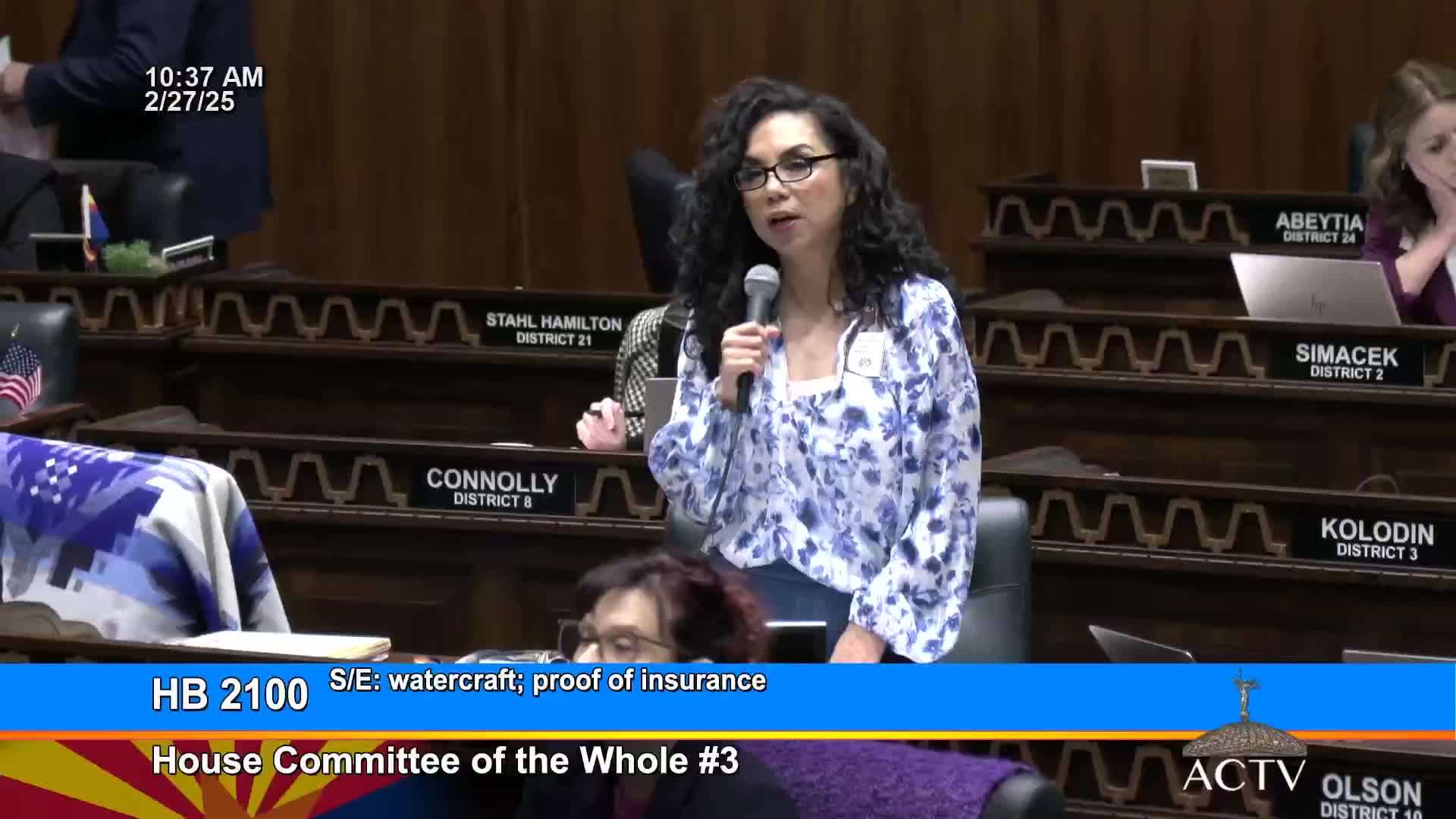
Opponents said the measure still hands quasi‑taxing authority to private organizations and risks imposing levies on competing businesses that cannot elect the nonprofit boards that would impose assessments. “This bill, on the other hand, grants a private organization taxing authority. Or, I’m sorry, I should say assessment authority,” Representative Culligan said on the floor, arguing the proposal could become “taxation without representation” because customers, not local voters, would ultimately bear costs and businesses outside a zone would have little recourse.
The House approved a floor amendment the sponsor described as clarifying voluntary formation, the role of the Department of Revenue and which entities count as a homeless service provider in earlier related language. The House then approved the committee amendment as amended; the minutes record that the ayes prevailed on the roll calls recorded for the committee and the floor but do not show a recorded roll‑call tally for the amendment debate itself.
Representative Collin pressed the sponsor on whether enthusiastic support from some hotels reflected self‑interest. “Do you think that might be the reason that these hoteliers up in Flagstaff who have talked to you about being excited about the bill are excited about the bill?” Collin asked. Wilmeth replied that formation requires a two‑thirds vote among participating businesses, and that businesses can petition to be excluded.
The bill’s proponents framed the measure as a voluntary economic development tool to help areas market more effectively to visitors. Critics cited constitutional and equity concerns and warned of potential competitive harms and private control over assessments. The measure was advanced to engrossing for further processing.
Votes at committee and on the floor were recorded as “ayes have it” for the committee report and final committee‑of‑the‑whole report; the legislative record in the House journal will carry the official vote tallies for engrossing and third‑reading steps.
The House continues work on multiple bills this week; HB 28‑73 will move to the next legislative steps before final enactment.