Get Full Government Meeting Transcripts, Videos, & Alerts Forever!
Get email alerts on the Animal Welfare topic
No spam. Unsubscribe anytime.
ZBA grants temporary variance for Lynn foster-care home for animals with two-year renewals and operating conditions
Summary
The zoning board granted a temporary, person-tied variance allowing Carol Palastrone to operate an interim foster home for animals at her Lynn residence, conditioned on signed agreements with shelters, an operating plan, limits on outdoor exposure of animals and biennial renewals.
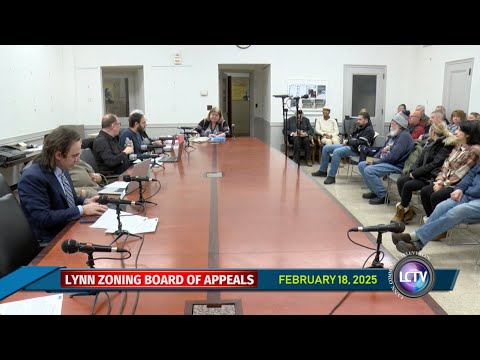
The Lynn City Zoning Board of Appeals on Feb. 18 granted a temporary variance allowing an interim foster home for animals at a private residence operated by Carol Palastrone, with conditions designed to limit public nuisance and ensure oversight.
Palastrone, represented by counsel, sought clarity after Inspectional Services had earlier described the operation as an unlicensed shelter. Counsel told the board the property would operate as a foster home, not a public shelter, and that Palastrone had signed agreements with three licensed shelters to accept animals as needed. "We will limit right now to 20," counsel and the petitioner indicated in paperwork submitted to the board; the client’s materials cited a proposal of "15 to 20 total" animals.
After extended public comment — including multiple neighbors and several city and regional animal-control and shelter representatives who spoke in Palastrone's favor — the board fashioned a temporary, person-specific approach. The board voted to grant a temporary variance tied to the current operator (Palastrone) and conditioned on the following, among other items discussed:
- Formal agreements with at least three licensed shelters/operators documented and maintained; the board required the petitioner to submit evidence of those agreements and to re-file renewed agreements every two years for continued authorization. Board members described the two-year renewal as a mechanism to allow inspectional and health authorities to revisit compliance and to account for changes at partner shelters.
- The variance is person-specific (tied to Palastrone) rather than running in perpetuity with the property; if the operator ceases the activity or fails to maintain the required agreements, the authorized use would end.
- Compliance with the operating plan submitted to the board and with state regulations (as cited in the petitioner’s documentation). The operating plan requires record-keeping of incoming animals and their sources and coordination with contracted shelters.
- Limits on outdoor exposure and on waste/food being left outside; waste must be contained and removed in accord with the contract with a private pickup service. The board discussed the petitioner’s practice that waste from litter boxes will be staged inside the house and removed by a contracted service.
- Record-keeping and cooperation with Inspectional Services and animal-control officers, including maintaining a running list of animals and their custody/source to assist animal-control in emergencies.
Board members said the temporary variance balances community concerns with the neighborhood benefit of removing feral and injured animals from the streets. Officer Poole told the board he had received one neighbor complaint earlier and that inspectional staff had noted issues on a prior visit; he confirmed the new documentation addressed many prior concerns. Supporters included representatives from Saugus Animal Control and a local kennel, who emphasized emergency backup and the petitioner’s long record of volunteer and foster activity.
The board recorded a roll-call vote approving the temporary variance with the discussed stipulations; Member Christopher, Member Maggio, Member Olsen, Member Krawitz and Member Lopez Hernandez voted yes. The decision requires the petitioner to return with the renewal packet and current agreements every two years.