Get Full Government Meeting Transcripts, Videos, & Alerts Forever!
Get email alerts on the Elections Absentee Ballots topic
No spam. Unsubscribe anytime.
Maine bill would limit who can deliver absentee ballots and repeal ongoing absentee status
Summary
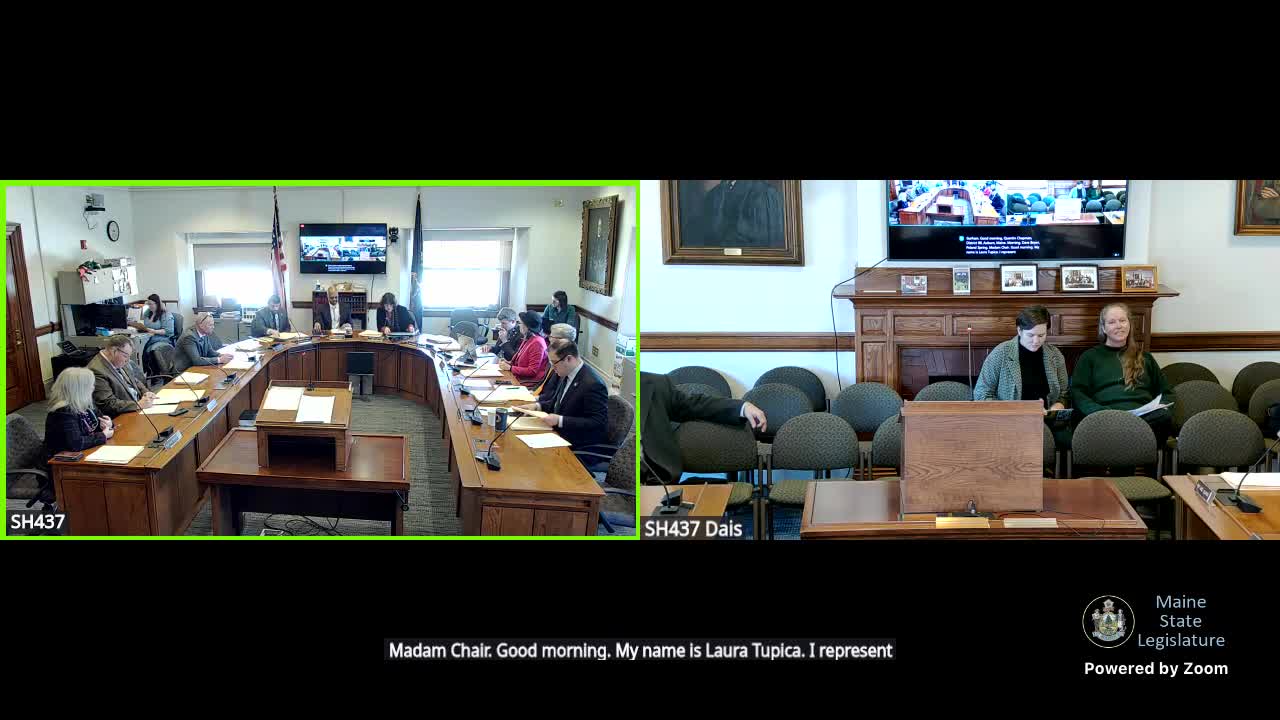
A bill that would require municipal clerks to issue absentee ballots only to residents of the issuing municipality and repeal ongoing absentee voter status drew opposition at a public hearing before the Joint Standing Committee on Veterans and Legal Affairs.
A bill that would require municipal clerks to issue absentee ballots only to residents of the issuing municipality and repeal ongoing absentee voter status drew opposition at a public hearing before the Joint Standing Committee on Veterans and Legal Affairs.
Representative Adams of Lebanon, the bill sponsor, told the committee the measure responds to reports from constituents that absentee ballots were mailed for deceased relatives. “Last election cycle, I had many constituents come to my house and tell me that they got absentee ballots for their parents who have been dead for a few years,” Representative Adams said.
The measure would also remove the provision that lets voters 65 and older or voters who self-identify as having a disability apply for ongoing absentee status, and would eliminate the current statute language asking voters to provide a phone number and email for contact if clerks need to cure a ballot envelope.
Ben Grant, general counsel for the Maine Education Association, said the MEA opposes LD 718. The union, which Grant said represents “about 24,000 educators and support staff,” argued the bill would make voting harder for many senior citizens and others who rely on family or caretakers to return ballots. “This bill is almost perfectly crafted to make voting harder for many Maine senior citizens,” Grant said, and urged the committee to vote “ought not to pass.”
Shana Bellos, the Maine Secretary of State, told the committee the bill would “severely limit ballot access for older Mainers and Mainers with disabilities who rely on trusted family members, neighbors, and community members who do not happen to live in the same municipal boundaries that they do.” She also cautioned against removing the current requirement that clerks ask for a phone number and email, saying, “That provision currently helps clerks contact a voter if their absentee ballot envelope is missing required envelope items like a signature so that their ballot may be counted.”
Bellos described the problem of unsolicited direct-mail absentee ballot applications sent by outside groups and said the Secretary of State’s office cannot stop such mailings because of the First Amendment. She warned that the bill would penalize voters harmed by those outside mailings rather than address the mailings themselves. “This particular bill would do real harm to Maine voters because of the activities of these shadowy outside groups that we cannot control,” Bellos said.
Committee members asked the sponsor and witnesses questions but did not take a vote during the hearing. Several witnesses and the Secretary of State said municipal clerks report that ongoing absentee status has increased participation in some local elections and helped turnout in 2024.
No formal committee action or vote on LD 718 was recorded in the hearing transcript provided.