Get Full Government Meeting Transcripts, Videos, & Alerts Forever!
Get email alerts on the Opioid Response topic
No spam. Unsubscribe anytime.
Opioid working group reports $247,000 in community grants, 2 syringe kiosks and harm‑reduction outreach in Lynn
Summary
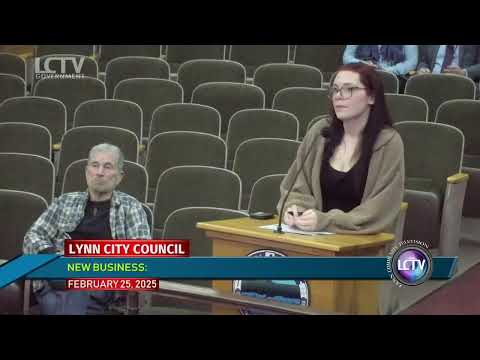
Candace McClory, a representative of the Lynn opioid working group, told the City Council on Feb. 25 that the group has awarded nine community innovation grants totaling $247,000 and has launched syringe kiosks, naloxone distribution and a harm‑reduction vending machine.
Candace McClory, a representative of the Lynn opioid working group, told the City Council on Feb. 25 that the group has awarded nine community innovation grants totaling $247,000 and has launched several harm-reduction measures including syringe kiosks, naloxone distribution and a harm‑reduction vending machine.
"We funded 9 programs with a total of $247,000," McClory said. The grants she detailed included $50,000 to Lynn Youth outreach for a 14‑passenger van, $50,000 to Ruth’s Way for recovery resource kits and short-term sober-house housing support, and $47,000 to the Lynn Senior Center for intergenerational activities supporting grandparents raising grandchildren. Additional grants included $20,000 awards for The Recovery Exchange, Girls Inc. and other local programs; smaller awards of $10,000 went to Link Community Health Center and Soul City (as listed in the materials provided to council).
McClory also reported early usage data from the working group’s harm‑reduction programs: the vending machine launched Jan. 24 has recorded about 200 transactions, dispensing hygiene kits, cold-weather items and wound and naloxone kits; two syringe kiosks on Willow Street have collected a total of 473 syringes; and the city’s naloxone distribution effort has put multiple Narcan kits into community cabinets and trained residents in overdose response.
The update included a public‑safety warning: Deputy O’Toole’s statistics (distributed with McClory’s packet) show recent detections of nitazenes in the local drug supply. McClory said nitazenes are substantially more potent than fentanyl and the working group is exploring procurement of test strips for nitazenes and continued expansion of naloxone access.
Why it matters: Councilors said they want grant dollars and harm‑reduction efforts to flow to reputable providers and asked about safeguards for funding sober‑home scholarships and other supports. McClory said the working group is prioritizing sober homes with Massachusetts Association of Sober Homes (MASH) certification for funding and that the group’s grant decisions were made by the opioid working group and based on a prior community needs survey.
Details from the meeting: - Grants: Nine awards totaling $247,000 were described in the packet; organizations named in the presentation included Lynn Youth outreach ($50,000), Ruth’s Way ($50,000), Lynn Senior Center ($47,000), The Recovery Exchange ($20,000), Girls Inc. ($20,000), Link Comprehensive Treatment Center ($20,000), Mario’s Mission ($20,000), Link Community Health Center ($10,000) and Soul City (listed as $10,000). - Vending machine and distribution: The harm‑reduction vending machine reported roughly 200 transactions since Jan. 24, distributing hygiene kits, cold‑weather items, wound‑care kits, naloxone kits and sharps containers. - Naloxone/Narcan: McClory said the city currently maintains five naloxone cabinets and is examining adding five more; the program has distributed hundreds of naloxone kits through trainings and cabinet access. - Syringe kiosks: Two syringe kiosks are in place on Willow Street; McClory reported they have collected 473 syringes and the working group has procured additional sharps containers to deploy in other high‑use locations. - Drug-supply risk: McClory and the council discussed recent findings of nitazenes in local overdose investigations; she said the working group is researching nitazene test strips so people can test substances for that adulterant.
Council response and oversight: Councillors asked about the application process for grants (open in September; about 17 applications were received) and about vetting sober homes. McClory said the working group favored MASH‑certified sober homes for scholarship funding and that funding decisions were made by the full working group to match community survey priorities.
Next steps: The working group is assessing remaining balances to determine whether to open another grant round, purchasing additional sharps containers and pursuing procurement of nitazene test strips. Councilors asked the working group to return with updates and detailed demographic information on recent overdoses if available.
No formal city vote was recorded during the update; the report was received and councilors acknowledged the outreach and distribution work underway.