Get Full Government Meeting Transcripts, Videos, & Alerts Forever!
Get email alerts on the Advertising Ordinance topic
No spam. Unsubscribe anytime.
Council committee advances ordinance to restrict marijuana and vaping ads near schools, parks and youth sites
Summary
The committee held a public hearing on amending the city sign code to add marijuana and electronic nicotine delivery system products to a 1,000‑foot advertising buffer near sensitive sites and voted to send the ordinance to council new business with a recommendation to approve.
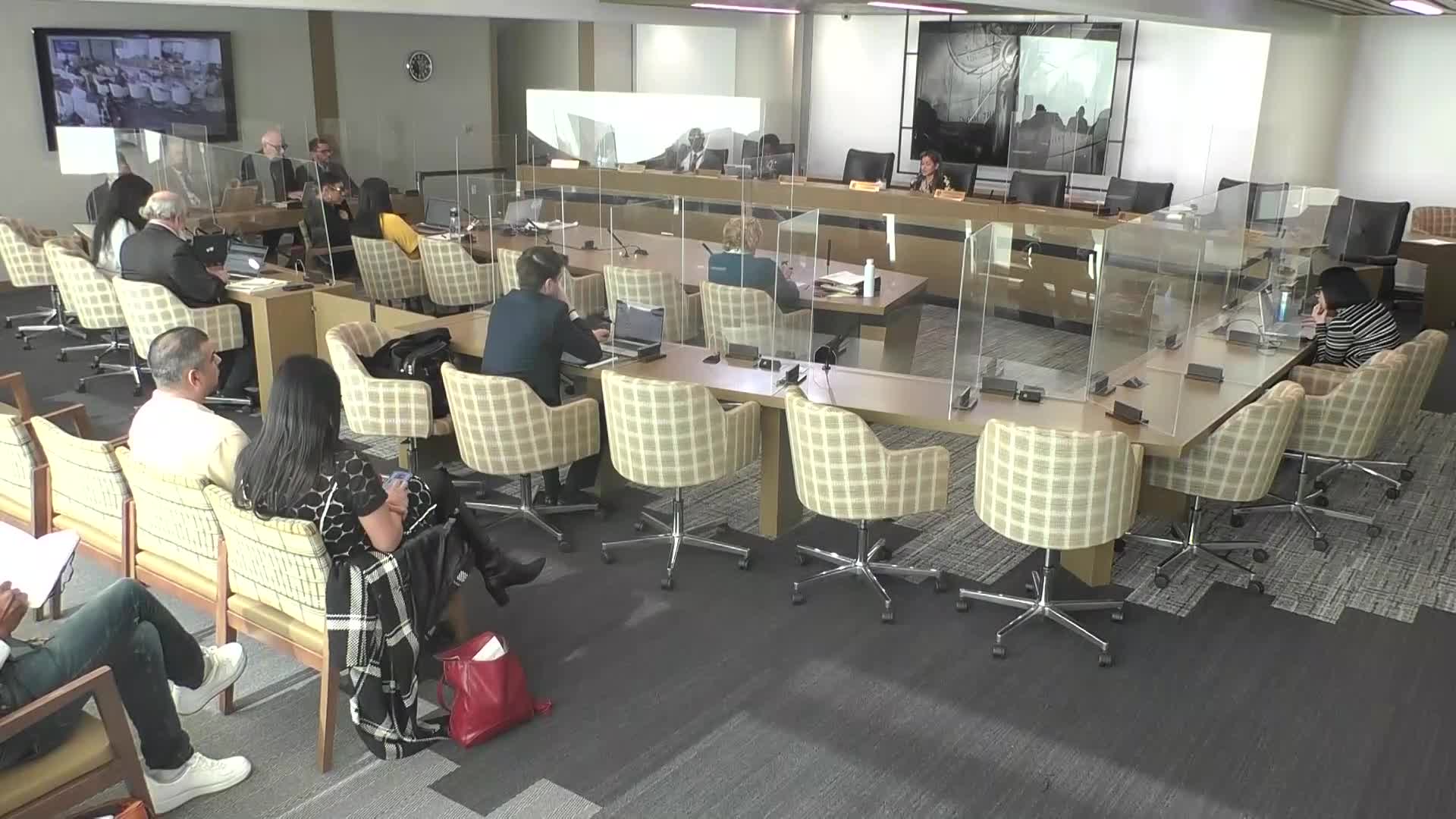
The Detroit City Council’s Public Health and Safety Committee held a 10:20 a.m. public hearing on an ordinance to expand the city’s advertising restrictions to cover marijuana products and electronic nicotine delivery systems (vapes). After testimony from health officials, community groups and residents, the committee voted to send the draft ordinance to new business with a recommendation to approve.
What the proposal would do: The draft ordinance would amend chapter 4 (Advertising and Signs) of the 2019 Detroit City Code to add marijuana products and electronic nicotine delivery systems to existing limits on advertising within a 1,000‑foot radius of ‘‘advertising‑sensitive’’ properties such as schools, parks and community centers. The proposal also updates definitions and phase‑out provisions for affected signs.
Support and evidence presented: Detroit Health Department Deputy Director Christina Floyd told the committee that delaying youth exposure to substances can reduce uptake and improve long‑term health outcomes. Member Scott Benson, the ordinance sponsor, and co‑sponsor Member Mary Sheffield Calloway cited school incident data and said the restriction mirrors the city’s existing approach to tobacco and alcohol advertising. V. Sarafoski of the Detroit Law Department said the ordinance is drafted to meet legal tests for advertising restrictions and relied on public‑health evidence in the record.
Public testimony: Dozens of residents, community groups and health advocates signed up to speak in favor. Dr. Grenee Dudley of Youth Connection and other prevention advocates cited studies linking outdoor ads to adolescent cannabis use; several parents and residents asked for stronger enforcement and penalties. A few callers suggested applying advertising rules used for alcohol to newly regulated products to streamline enforcement.
Committee action: After public comment and a staff presentation, the committee chair asked for a motion. ‘‘Are there any objections? Hearing no objections, this ordinance is approved, will be sent to new business with the recommendation to approve,’’ the chair said, recording the committee’s unanimous consent to forward the ordinance.
Next steps: The ordinance as drafted will appear in council new business for formal consideration and a future vote. Committee members said they will seek funding for youth prevention programs tied to marijuana revenues and continue collaboration with the health department on metrics to evaluate the ordinance’s effect.
Ending: Supporters called the measure ‘‘one tool’’ among many needed to protect children; the committee’s vote advances the measure to full council for formal consideration.