Get Full Government Meeting Transcripts, Videos, & Alerts Forever!
Get email alerts on the Cdbg Allocations topic
No spam. Unsubscribe anytime.
Portland CDBG allocation committee approves funding recommendation letter, ranks development and social-service projects
Summary
Portland’s CDBG Allocation Committee approved a final recommendation letter that ranks proposed development and social-service projects and forwards the committee’s scores and comments to the city manager for review.
Portland’s CDBG Allocation Committee approved a final recommendation letter that ranks proposed development and social-service projects and forwards the committee’s scores and comments to the city manager for review.
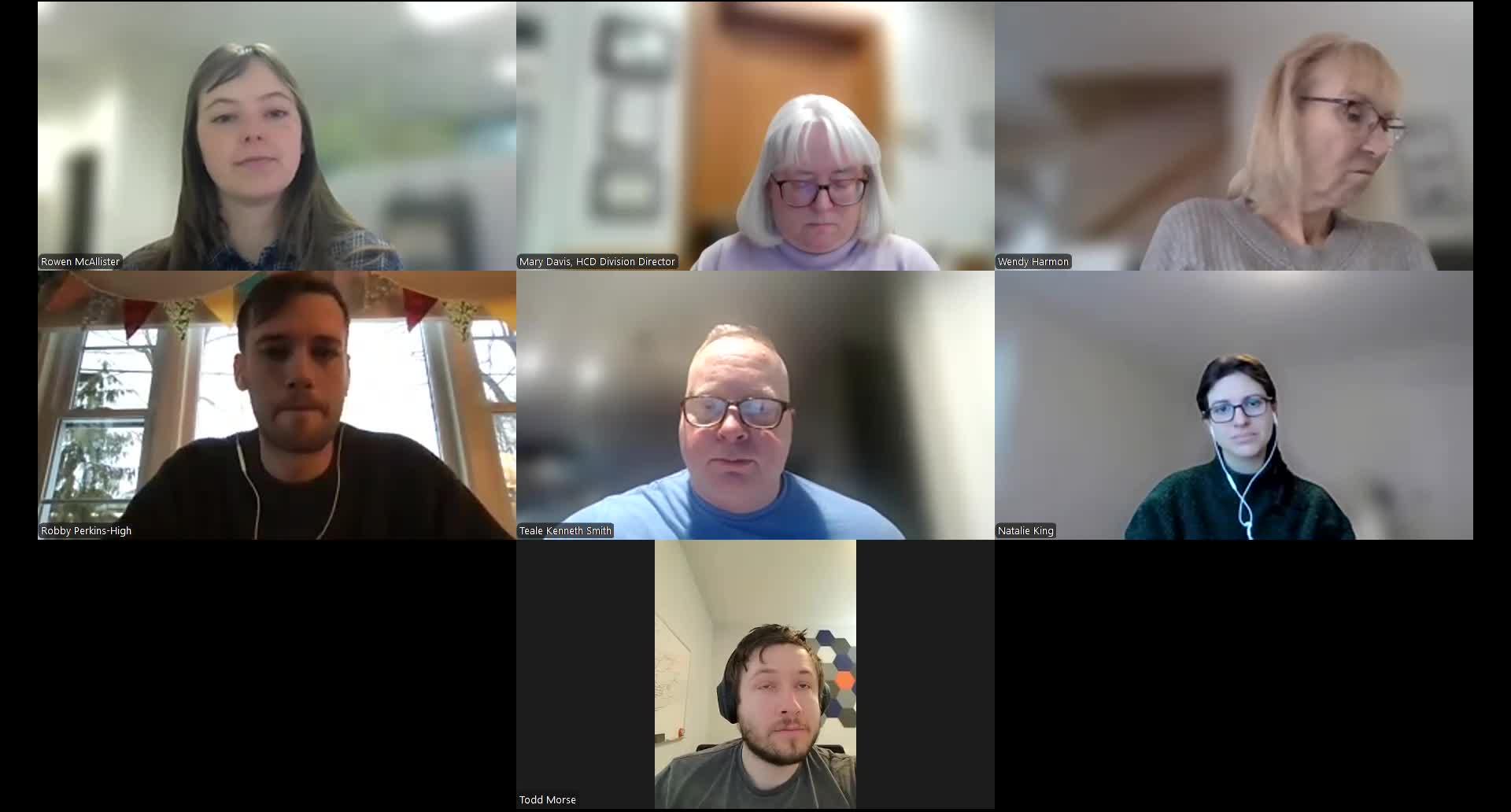
The committee approved the letter by roll call after a motion from Todd and a second from Teal. Mary noted that “technically, the state law is that you have to do a roll call vote,” and the committee recorded unanimous approval. Staff will finalize the letter and attached score sheets, notify applicants, process any appeals and then the city manager will prepare a recommendation for city council.
Why it matters: The letter conveys the committee’s prioritized list of projects and organizations for Community Development Block Grant (CDBG) funding and includes recommendations and clarifications the committee wants the manager and council to consider. That ranking will materially shape which applicants the city manager and ultimately the City Council consider for limited CDBG resources.
The committee’s development ranking placed Tingtate Playground, Cumberland Avenue sidewalks, a business-assistance-for-job-creation program, and the Resource Hub ahead of other projects; funding for Tate Street and most remaining development proposals was not available under the committee’s recommendation. On the social-service side, the committee recommended providing some or all requested funding to Quality Housing Coalition, Wayside Food Services, Hope Acts, the Portland Fire Department Mobile Medical Outreach Program and Greater Portland Family Promise; most other social-service applicants were left unfunded because the available money ran out.
A staff briefing noted that the new-applicant set-aside (a subset of CDBG funding reserved to help first-time applicants) is roughly $120,000 this cycle. Maine Needs scored above the 75‑point eligibility threshold for that set-aside and is the primary recipient in the committee’s recommendation; Maine Health also scored above 75 but the small set-aside meant Maine Needs will receive the bulk of that pot.
Committee members discussed persistent score differences between new and returning applicants and possible steps to address them in future rounds. Suggestions included improved orientation or coaching for new applicants, a task-force review of scoring categories, and staff outreach to philanthropic partners to help socialize high-scoring but unfunded proposals. The committee removed a proposed “lottery” language from the letter after members said the City Council often adjusts allocations and a lottery could create an awkward recommendation dynamic.
The committee also recommended applying an additional $20,000 from the Cotton Street proceeds to complete Greater Portland Family Promise’s request (the committee noted an extra $3,000 accessed by Maine Health through the new-applicant set-aside should be reallocated because the city’s grant minimum is $10,000). Members discussed whether small contributions could practically be accepted for projects such as sidewalks and were reminded that the city manager and city council have latitude to adjust amounts, particularly within a downtown TIF pot that can fund projects within the TIF area.
Next steps: staff will finalize the letter and score sheets, notify applicants and accept requests for scorecards and appeals (staff said individual scores will be provided to applicants on request with identifying information removed). The appeals process is handled by the city manager’s office and typically takes two to three weeks. The manager will then present a recommendation to the committee and the City Council; staff suggested the committee will reconvene to hear the manager’s recommendation before council consideration, with a likely final council vote in May.
Quotes pulled from the meeting record include staff member Rowan’s thanks to the committee for timely scores — “thank you, everyone, for getting your scores in timely and accurately. It is super appreciated.” Mary, a staff member, explained the roll-call requirement: “Technically, the state law is that you have to do a roll call vote.”
The committee approved the letter by roll call (motion: Todd; second: Teal). The vote was recorded as unanimous in favor; staff will transmit the packet to the city manager and notify applicants of score availability and the appeals process.