Get Full Government Meeting Transcripts, Videos, & Alerts Forever!
Get email alerts on the Sheriff Deputies Conservators topic
No spam. Unsubscribe anytime.
Committee adopts bill allowing additional chief deputies, clarifies conservators' authority and firearms rules for county conservators
Summary
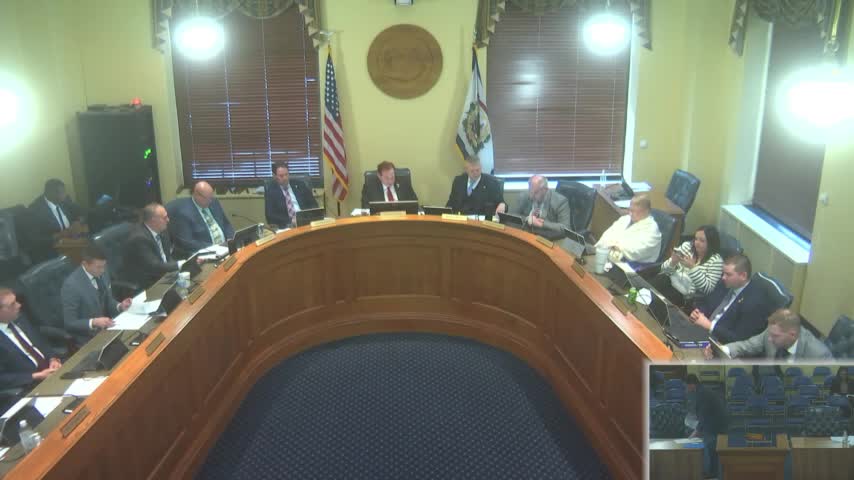
A committee substitute for Senate Bill 503 that permits sheriffs to appoint additional chief deputies (subject to county-commission approval), aligns political-activity restrictions for chief deputies with other deputies, and removes certain restrictions on county conservators carrying firearms was adopted and sent to the full Senate.
A Senate committee adopted a committee substitute for Senate Bill 503 and voted to report it to the full Senate with a recommendation for passage.
The substitute expands authority for sheriffs and county commissions to create an additional chief-deputy position in a sheriff's office (the sheriff may request and the county commission may approve). It also aligns political-activity restrictions for chief deputies with restrictions that apply to other deputies and removes the statutory restriction that prevented county conservators from carrying firearms while allowing them to carry in compliance with state law.
Why it matters: Supporters said the change would let sheriffs split supervisory duties across two chief deputies to improve supervision and operations in offices with large staff or distinct administrative and law-enforcement divisions. County and law-enforcement witnesses described frequent, heavy workloads tied to the opioid epidemic and said additional leadership positions would help operationally.
Key testimony
Sheriff William Frank Priddy of Raleigh County said having two chief deputies would "tremendous"ly improve leadership and allow the sheriff to split supervisory responsibilities between a field-focused chief and one overseeing administrative functions. "You can split those responsibilities between the two chiefs," Priddy said.
Raleigh County Commission President Gregory Allen Upworth (identified in testimony) told the committee the county commission had unanimously supported creating a second chief deputy and described the county's fiscal context and significant law-enforcement demand tied to opioid-related policing.
Technical and legal clarifications
- County conservators: Committee counsel summarized that county conservators are officers appointed for localities (often smaller populations) to extend policing authority without creating a fully separate deputy force; the substitute makes technical changes clarifying appointment and duties and allows county conservators to carry weapons in compliance with West Virginia law.
- Budget and civil-service issues: Senators asked whether commissions could later remove a second chief-deputy position if budgets tightened. Counsel said the law includes legacy provisions and civil-service rules that could allow a chief deputy who was previously a deputy to revert to a deputy position; however, if a chief deputy had not previously been a deputy, there would be no fallback position guaranteed by civil-service protections.
Committee action and next steps
The committee adopted the committee substitute and voted to report the bill to the full Senate with a recommendation for passage. The transcript shows unanimous or near-unanimous voice agreement in committee; specific roll-call votes were not recorded in the hearing transcript.
Ending note
Sponsors and witnesses described the change as optional for counties—sheriffs may request a second chief deputy and county commissions may approve—and said the bill aims to provide flexibility for counties with large or complex sheriff's offices while preserving the county commission's budgetary role.