Get Full Government Meeting Transcripts, Videos, & Alerts Forever!
Get email alerts on the Reentry Workforce topic
No spam. Unsubscribe anytime.
House committee hears $3 million request to sustain WorkSource reentry services in Oregon prisons
Summary
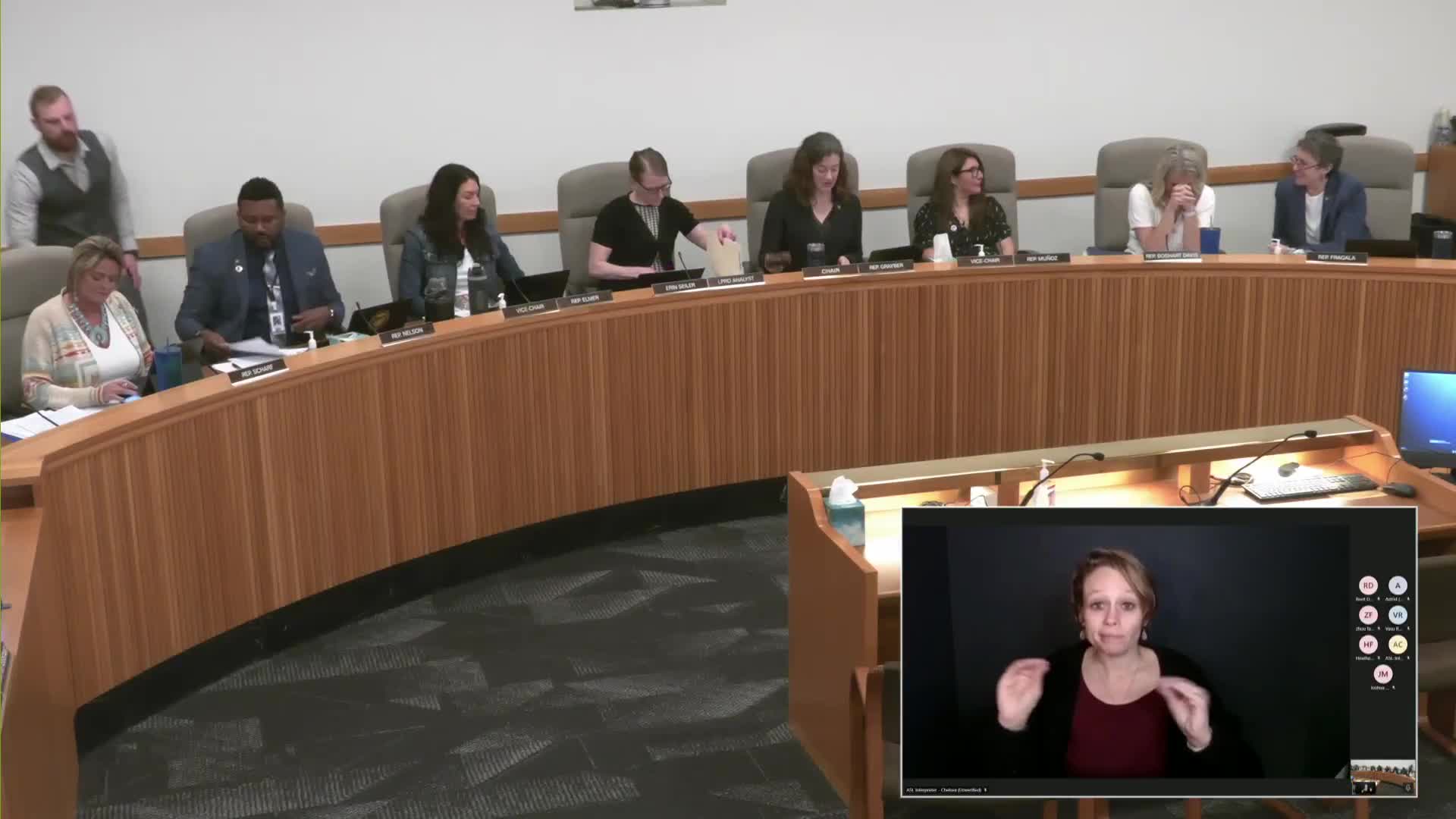
House lawmakers heard testimony March 3 on House Bill 2972, which would appropriate $3 million from the general fund to the Oregon Employment Department to staff WorkSource reentry programs for adults in custody across Oregon’s state correctional facilities.
House lawmakers heard testimony March 3 on House Bill 2972, which would appropriate $3 million from the general fund to the Oregon Employment Department to staff WorkSource reentry programs for adults in custody across Oregon’s state correctional facilities.
Supporters told the House Committee on Labor and Workplace Standards that the WorkSource reentry program delivers job search assistance, resume help, interview practice, training, and computer labs inside prisons and that federal funding supporting the efforts is expiring. Representative David Gomberg (House District 10) said the funding request is “modest” and urged support; Representative Kevin Mannix (House District 21) said corrections should provide education and reentry assistance authorized under the Oregon Constitution and described the bill as an investment in public safety and workforce development.
The bill’s backers — local workforce boards, the Oregon Employment Department and Department of Corrections staff, and current and former program participants — described the program’s rollout and early performance. Heather Ficht, executive director of East Cascades Works, said the WorkSource Reentry Program began locally in 2018, expanded under a U.S. Department of Labor Pathways grant and now operates computer labs and staff in all 12 state prisons. Ficht said the program reached 332 people in two prisons from 2022 to mid‑2024; of those, 277 were released, 38 remained engaged after release and 107 entered employment or training. She said the program enrolled about 350 adults in custody in the current program year and that year‑one recidivism for participants was 1.43 percent, which she described as a promising early indicator.
A former participant, Joshua McDougall of Bend, described meeting WorkSource staff while incarcerated at Deer Ridge, completing a peer‑support training paid in part by the program and then taking a paid position as a lead mentor with Central Oregon Peer Services after release. “They were able to sit down with me and we created a resume,” McDougall told the committee. “That plan was huge for me. I felt like I had a little hope for my life.”
Department of Corrections assistant director Larry Bennett and Amy Bertrand, DOC’s reentry and release administrator, answered technical questions. They said the current funding mix includes contracted staff and Oregon Employment Department staff and that the present federal and grant funding sunsets, which is the impetus for the general fund request. Committee staff noted the measure has a subsequent referral to the Ways and Means Committee for budget consideration.
The committee opened and then closed the public hearing on HB 2972 during the March 3 session; no committee action or vote was taken on the bill at the hearing.
Why it matters: Supporters framed the appropriation as a preservation step for services that connect people exiting custody to training and employment, which they argued reduces recidivism and addresses workforce shortages. Opponents were not recorded at the hearing; the measure will be considered further in budget deliberations if it advances to Ways and Means.
Next steps: Committee staff recorded that HB 2972 will be referred to Ways and Means; the committee did not vote on the measure during the March 3 hearing.